Improving Nutrition Practices for Women and Children

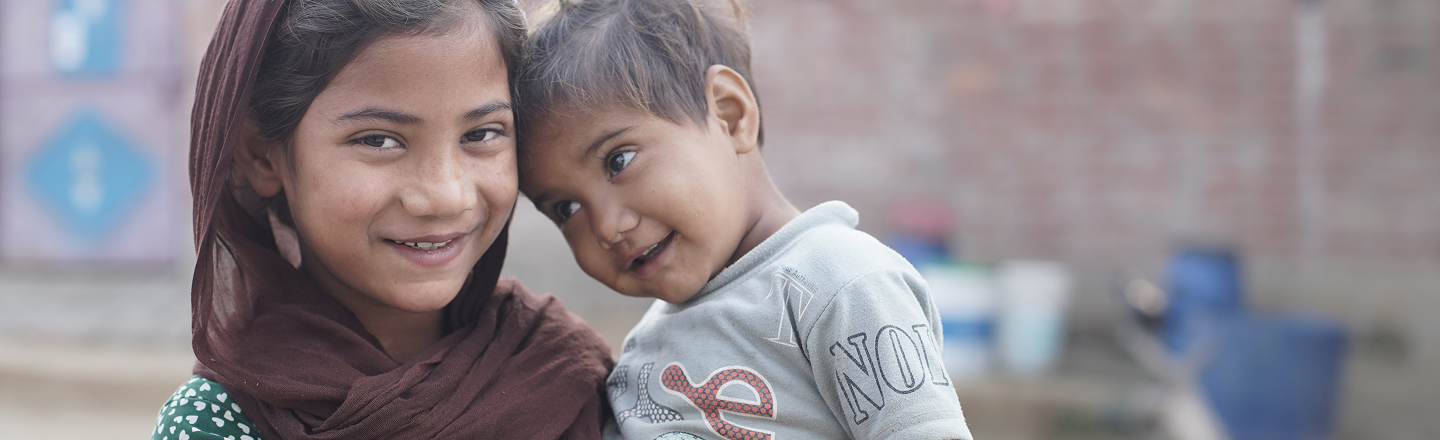
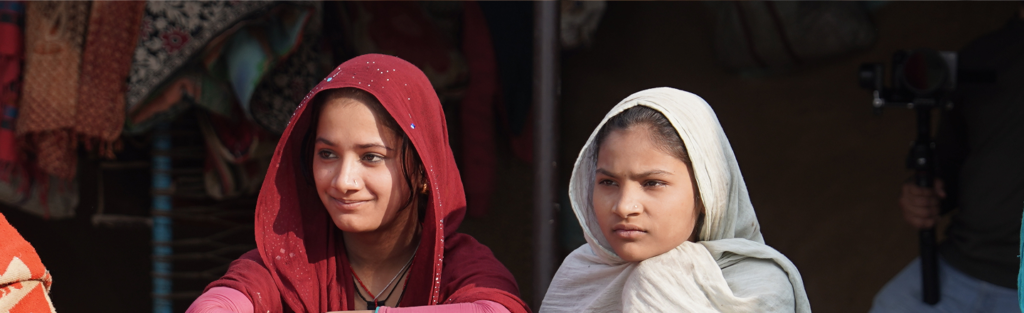
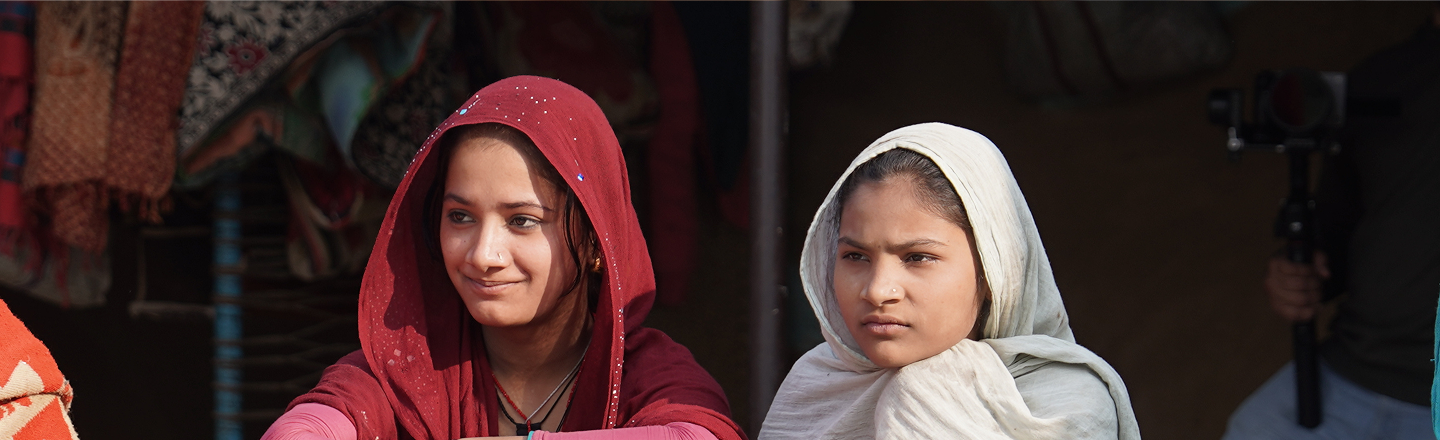
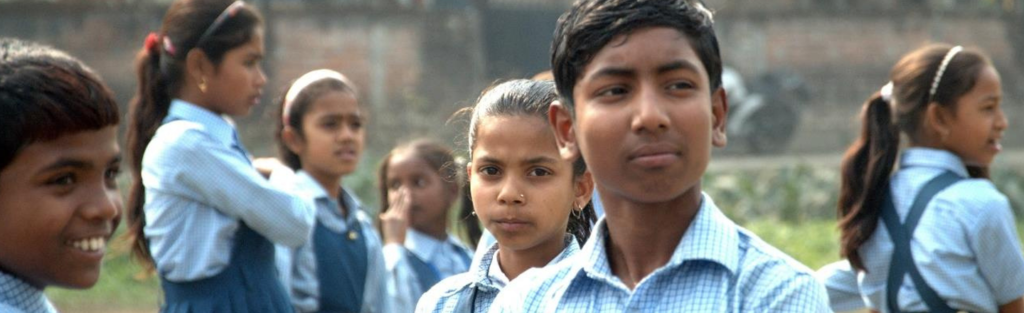
We partner with leading private organizations, government bodies and UN agencies to improve nutrition outcomes across all life stages, with a particular focus on mothers, infants, children, and adolescents.

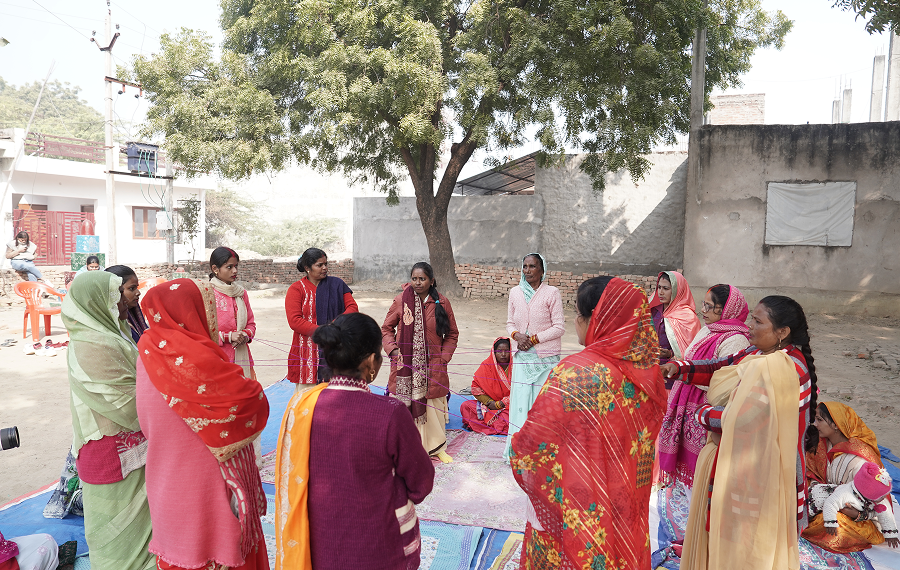
Our evidence-based, life-cycle approach prioritizes the First 1,000 Days, ensuring preventive, promotive, and curative interventions for children (0-6 years) while strengthening nutrition practices and health-seeking behaviours among adolescent girls, pregnant women, and lactating mothers. At the community level, we enhance demand generation and service delivery, leveraging the Integrated Child Development Services (ICDS) schemes through innovative, scalable approaches. We mobilize and empower communities by engaging Village Health, Sanitation, and Nutrition Committees (VHSNCs) and Self-Help Groups (SHGs), driving service uptake and improving nutrition behaviours.

Why focus on Nutrition?

In India, malnutrition among children and expectant mothers remains a critical public health crisis, creating a ripple effect that compromises survival, cognitive development, and national economic productivity. According to the National Family Health Survey-5 (NFHS-5, 2019–21) conducted by the Ministry of Health and Family Welfare, Government of India, anaemia affects 67.1% of children under five and 57% of women of reproductive age. As per the data of Poshan Tracker November 2023, around 7.44 crore children under 6 years were measured, out of whom 37.51% were found to be stunted, 17.43% were found to be underweight and 6% children under 5 years were found to be wasted.

Our work aligns with national nutrition initiatives, including Poshan Abhiyaan 2.0, ICDS, the Mid-Day Meal Scheme, and Suposhit Panchayats, ensuring sustained improvements in maternal and child nutrition through system-strengthening efforts, behaviour change strategies, and community-led interventions.

Our Approach

Community Mobilization & Behavior Change Communication

Driving awareness, adoption, and sustained engagement.

01 / 05
Health System Strengthening

Enhancing service delivery mechanisms and governance.

02 / 05
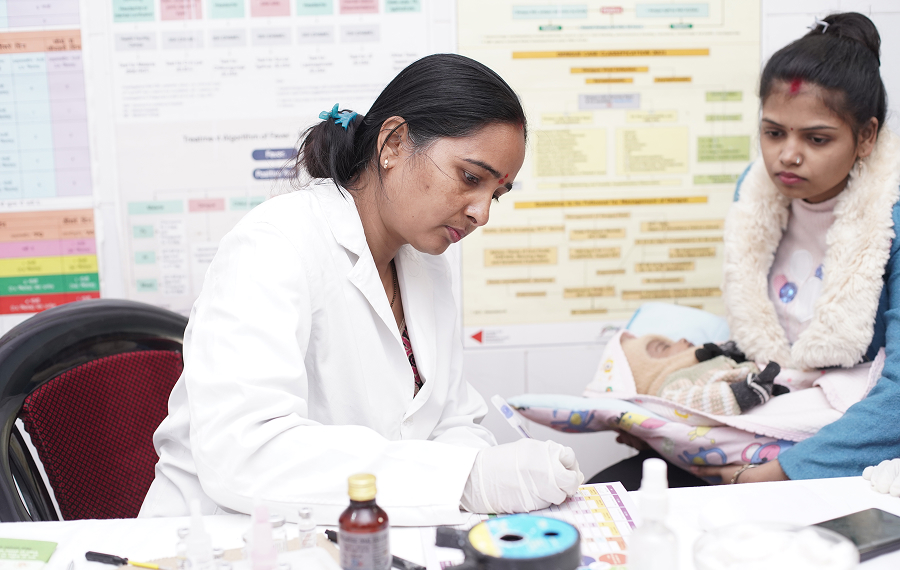
Multi-Sectoral Convergence

Collaborating across health, education, and women and child development and allied sectors for maximum impact.

03 / 05
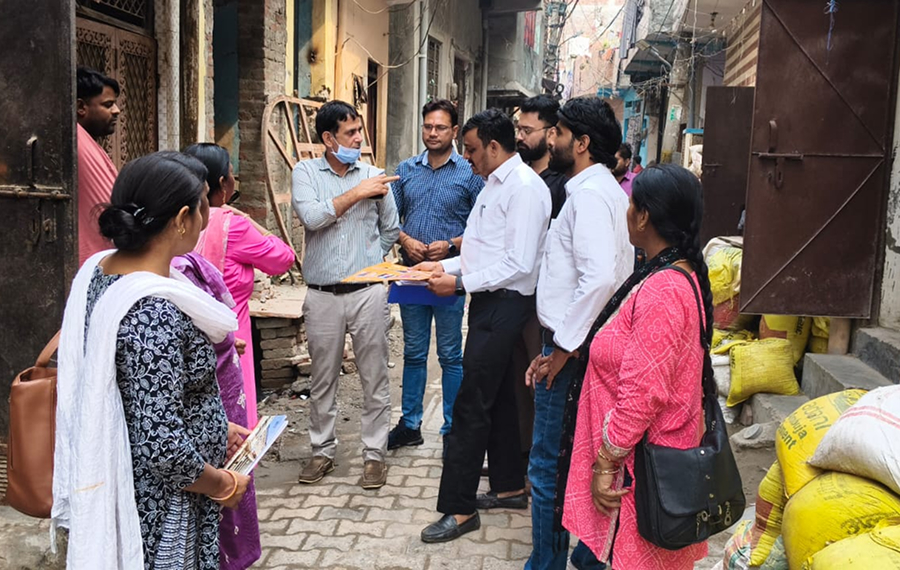
Improving Access to Services

Ensuring nutrition interventions reach the most vulnerable populations.

04 / 05
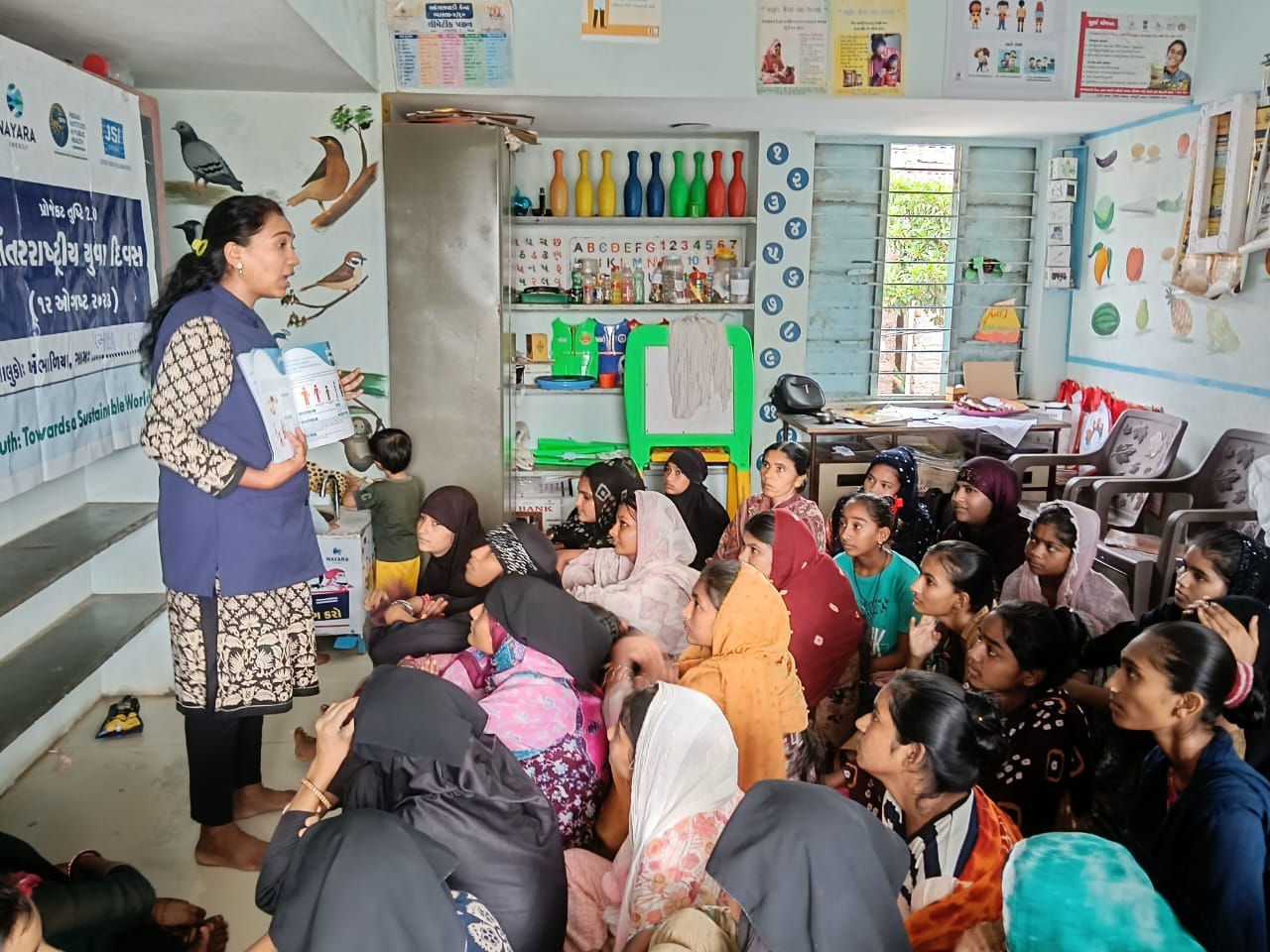
Innovation & Technology

Deploying locally relevant solutions to accelerate progress

05 / 05
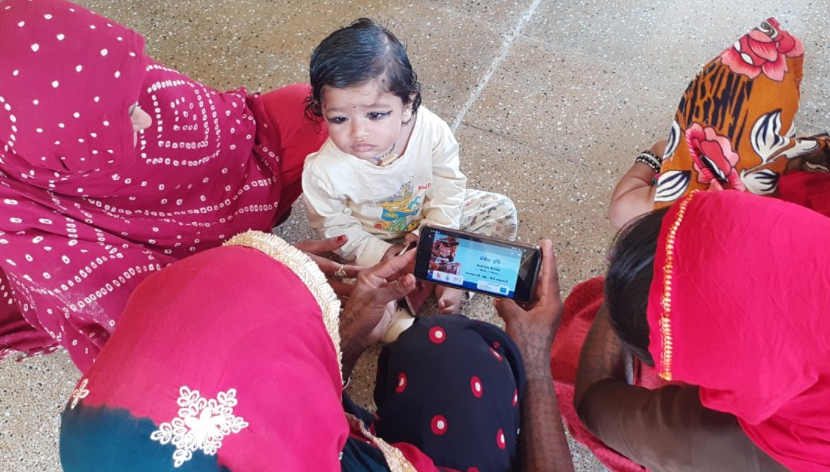
Our Approach

Community Mobilization & Behavior Change Communication

Driving awareness, adoption, and sustained engagement.

01 / 05

Health System Strengthening

Enhancing service delivery mechanisms and governance.

02 / 05

Multi-Sectoral Convergence

Collaborating across health, education, and women and child development and allied sectors for maximum impact.

03 / 05

Improving Access to Services

Ensuring nutrition interventions reach the most vulnerable populations.

04 / 05

Innovation & Technology

Deploying locally relevant solutions to accelerate progress

05 / 05
Our Footprint

States

0

Districts

0

Women

29990 +

Children

49990 +

Adolescents

14990 +

Anganwadi Centers

590 +

States

0

Districts

0

Women

29990 +

Children

49990 +

Adolescents

14990 +

Anganwadi Centers

590 +
(Data as on 31st December 2025)

Our Footprint

States

0

Districts

0

Women

29990 +

Children

49990 +

Adolescents

14990 +

Anganwadi Centers

590 +

States

0

Districts

0

Women

29990 +

Children

49990 +

Adolescents

14990 +

Anganwadi Centers

590 +

(Data as on 31st December 2025)

Our Projects

Message Us