
Discovering Hidden Homes in Naipura, Ghaziabad
Rapidly urbanizing industrial city Ghaziabad Bordering Delhi, Ghaziabad city in Uttar Pradesh faces challenges like inadequate infrastructure, migration, income inequality, and high population density. These stressors contribute to serious public health deficits such as low routine immunization (RI) coverage, inadequate sanitation, poor nutrition, and high home deliveries.
While Uttar Pradesh has attained 99.41 percent Full Immunization Coverage, Ghaziabad’s district average at 68.7 percent falls significantly below the state-average city performance according to FY 2023-24 HMIS data.
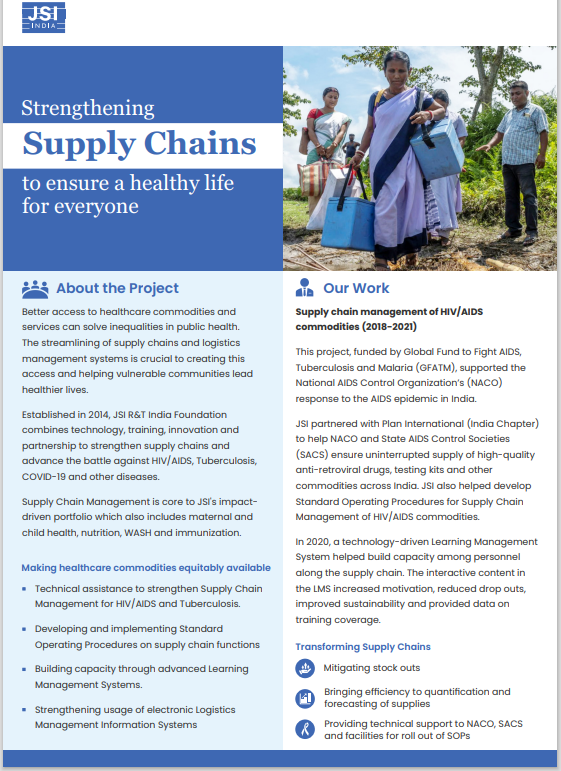
UNICEF, in partnership with JSI (R&T) Foundation under the Gavi Zero-Dose partnership, has been entrusted the challenge to increase RI coverage. For maximum impact, the focus is on areas with high incidence of zero-dose children and families showing vaccine-avoidance behavior. Monitoring data (WHO/UNICEF) narrowed down a total of 255 ASHA areas to 200 across 80 urban sub-centers and UPHCs. One such area was Naipura, with 2,492 residents, mostly migrant daily laborers from Scheduled Castes.
Using Participatory Approaches
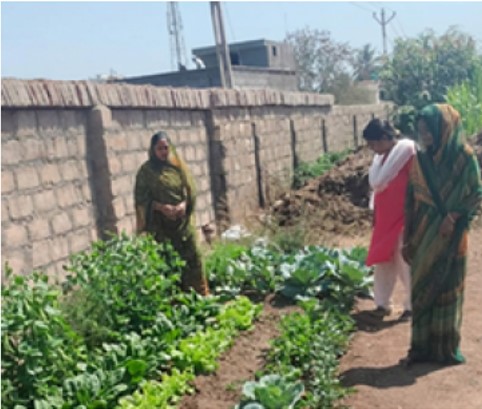
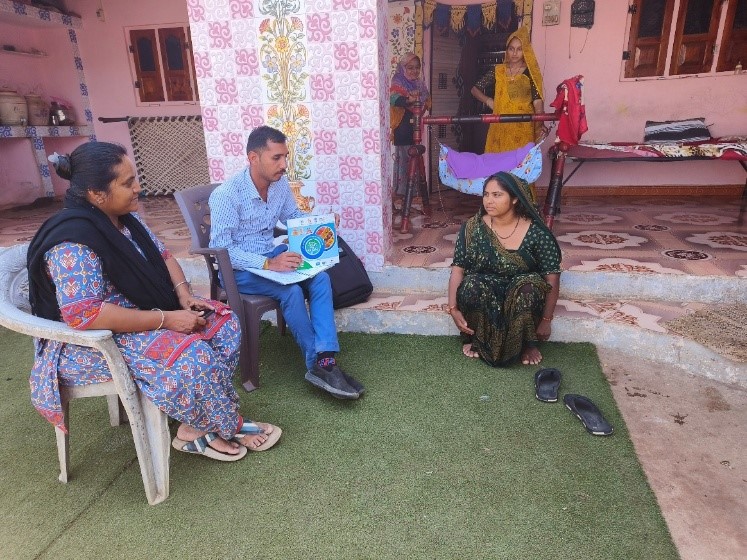
The CSO team undertook a transect walk led by the Cluster Coordinator and community members. As they walked through narrow lanes and observed daily routines, they discovered two lanes which the link worker and ANM were unaware of. Consequently, no Community-based Village Health Sanitation and Nutrition Day sessions had been conducted there, as it was a total blind spot for the health system for at least the last two years.
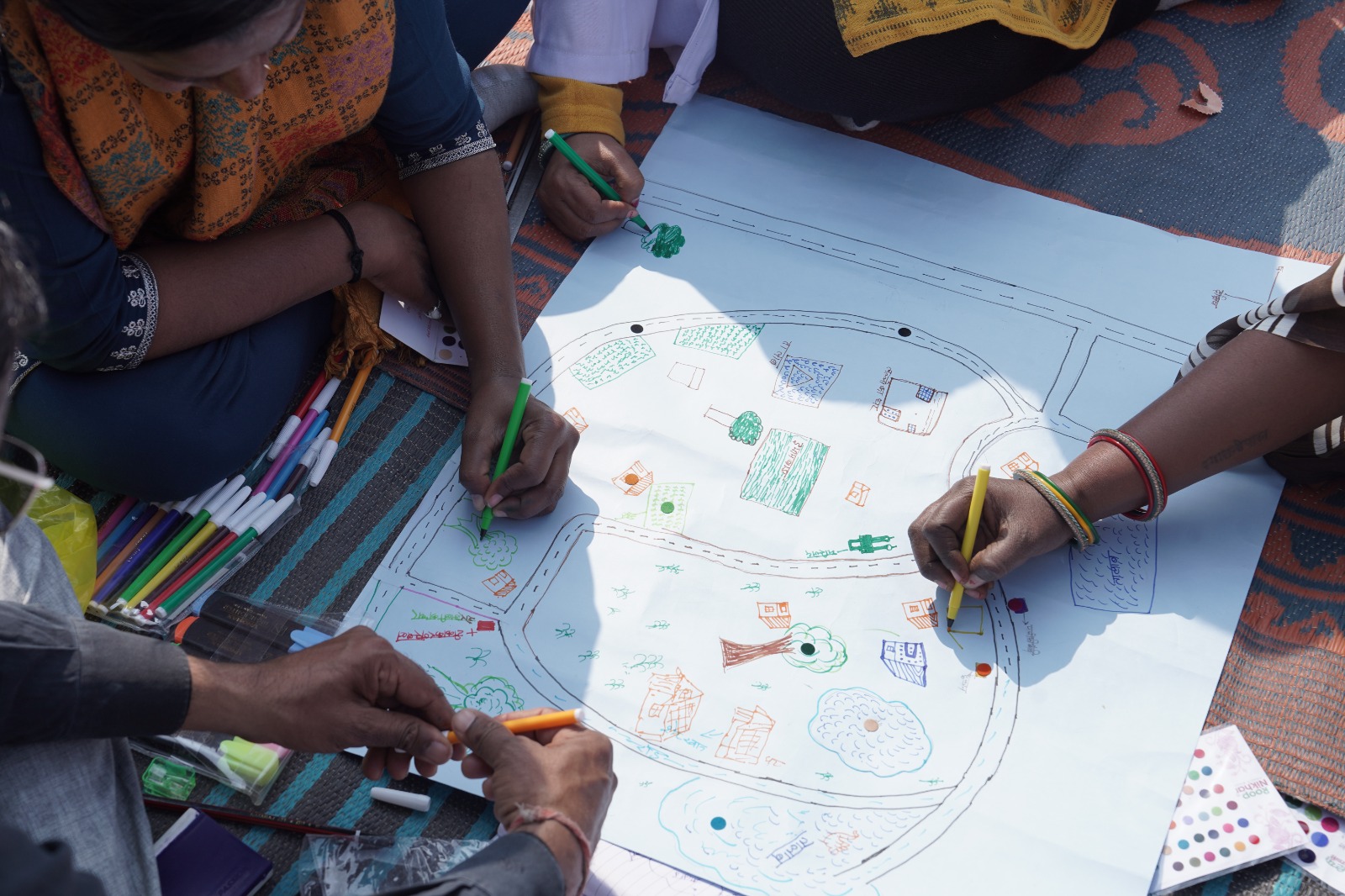
These houses, hidden in narrow lanes, meant dozens of children had been deprived of basic health services, including immunization. To understand this better, a social map of Naipura was created, incorporating these newly discovered lanes—covering 150 households—with inputs from community members.
“Transect walk and social mapping are powerful community engagement tools that help understand social and spatial topography of area, mingle with community and identify challenges and opportunities.”
Mobilizing Action
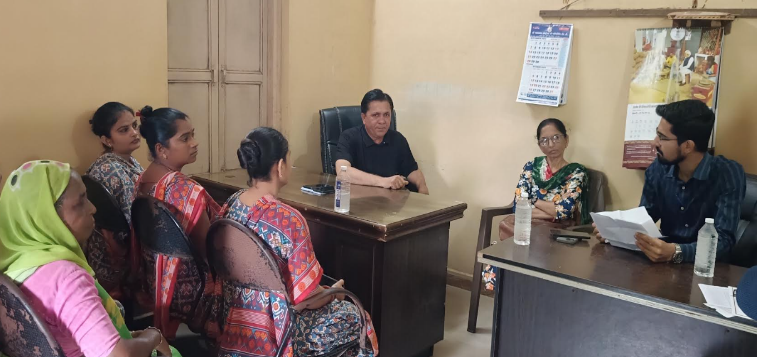
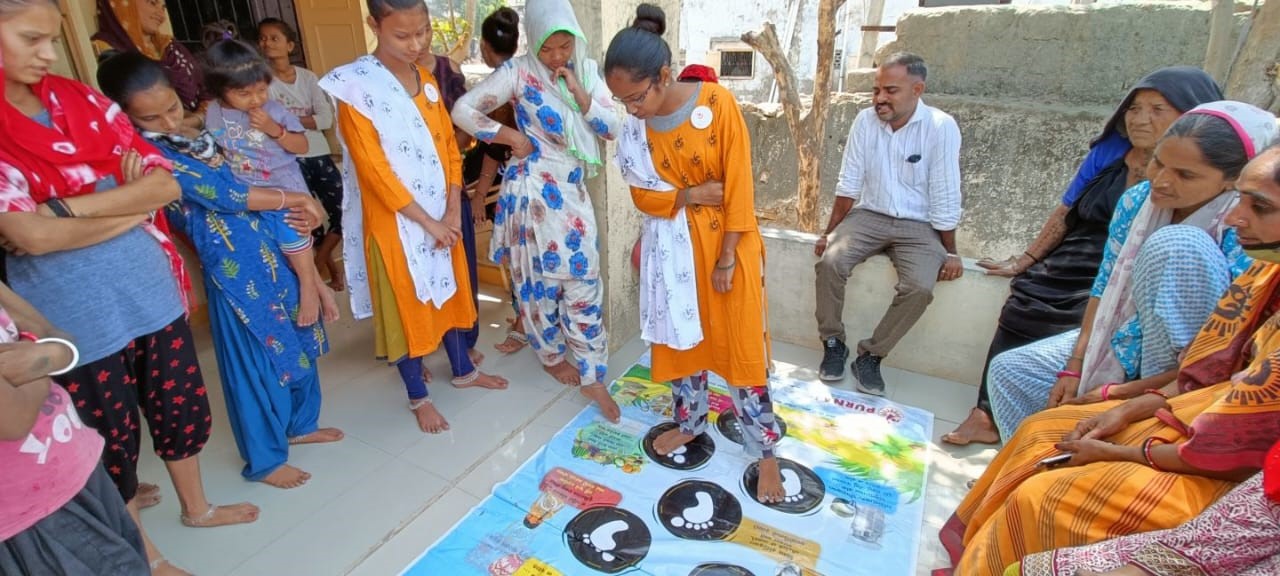
Findings were shared at Block and District Review Meetings. The District Immunization Officer responded swiftly, appointing ASHA Pinki, deploying a head-count survey, and initiating special immunization sessions at locations easily accessible to missed communities. The survey revealed an increased number of 3,291 children aged 0–5 years including 84 VAB or ZD children. Following capacity-building for frontline workers, a rolling program of interpersonal communication, influencer engagement, and home visits commenced.
Action and Results
- Service Delivery: Two special immunization sessions were held, and 50 children were vaccinated on-site.
- Micro plan Integration: Arun Studio was designated a permanent session site, with sessions occurring every fourth Saturday.
- Equity Impact: Young mothers like Jyoti and Rani expressed relief and gratitude for the first immunizations in two years and a newfound trust in government services.
A Mother’s Perspective:
“No immunization had been taking place in our area for the past two years, no one came to our area. We are poor so it was difficult for us to go to private facilities. My children have finally received immunization and the protection from diseases.” — Jyoti, a local mother
Moving Forward
The future must build on this success—replicate human-led mapping, reinforce frontline mentorship, and embed community voices at every level.