
A Pregnancy with high Risk
On 29 July 2024, during a routine visit to the Anganwadi Centre in a remote area of Bhatia village, Vijuben Khodabhai Gamara, who was pregnant, was found to have a haemoglobin (HB) level of 9.5%, indicating anaemia, placing her at high risk during pregnancy.
Anaemia in pregnancy increases the likelihood of adverse maternal and birth outcomes, making early intervention essential.
Strengthening Dietary Practices
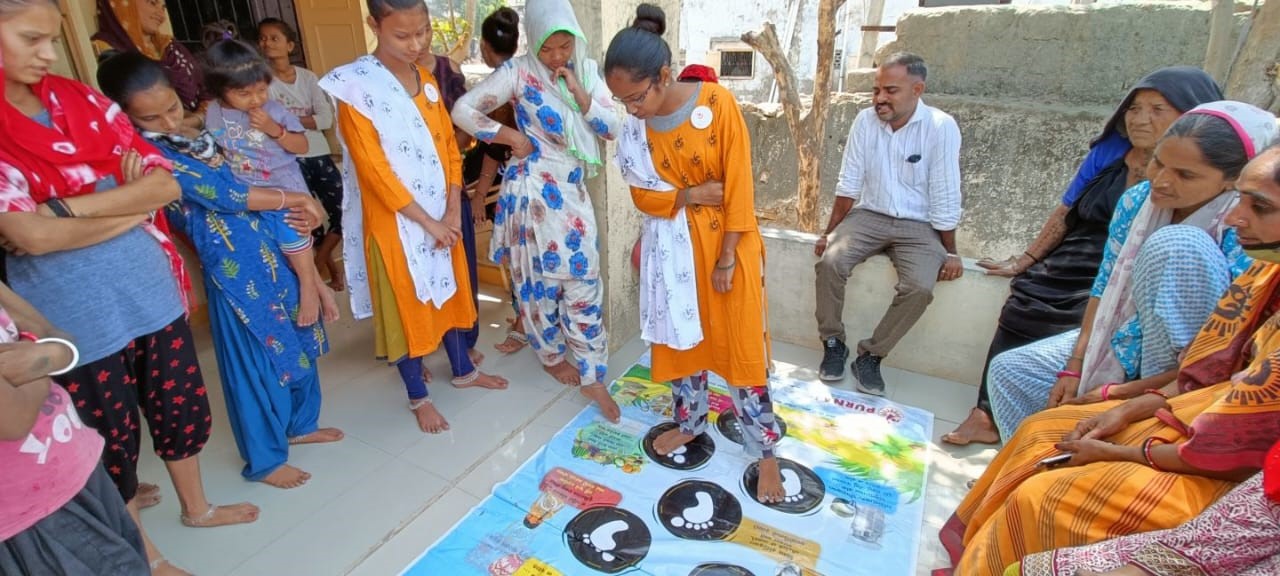
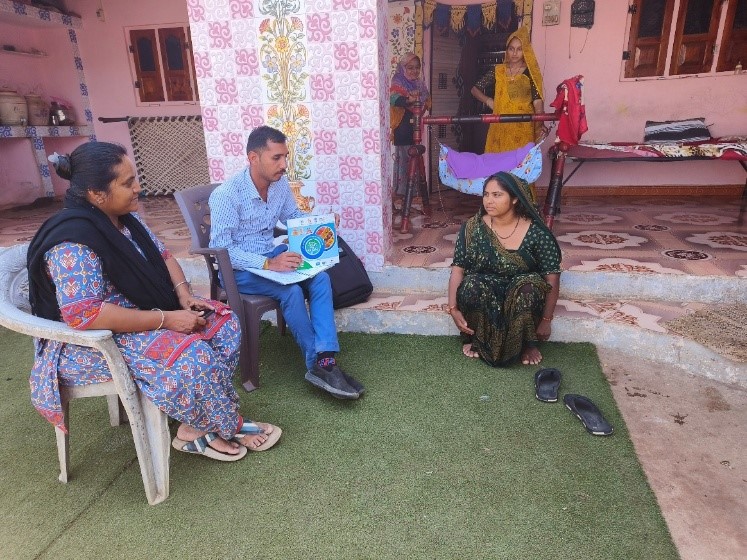
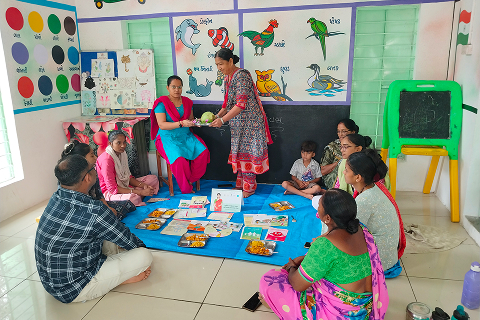
Following identification of anaemia, the Project Tushti Field Officer, in coordination with the Anganwadi Worker, initiated structured counselling and regular follow-up. Initial guidance focused on improving dietary iron intake, reducing outside food consumption, and strengthening adherence to supplementation. At the second visit, only marginal weight gain was observed (71.6 kg) with no change in Hb. Counselling was therefore intensified with practical demonstrations on systematic use of Take-Home Ration (THR) in daily cooking. She was also guided using recipes from the Project Tushti nutrition booklet to improve dietary balance.
Within approximately 6–8 weeks of reinforced monitoring, her HB increased from 9.5% to 10.6%, indicating measurable improvement.
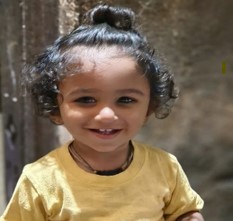
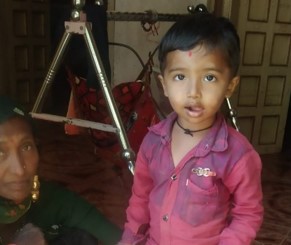
On 13 September 2024, Vijuben delivered a healthy baby boy with a birth weight of 3.5 kg. Post-delivery counselling reinforced exclusive breastfeeding for six months and continuation of maternal supplementation, including THR, IFA, and calcium. During subsequent home visits, both maternal and infant health indicators were monitored and indicated improvement.
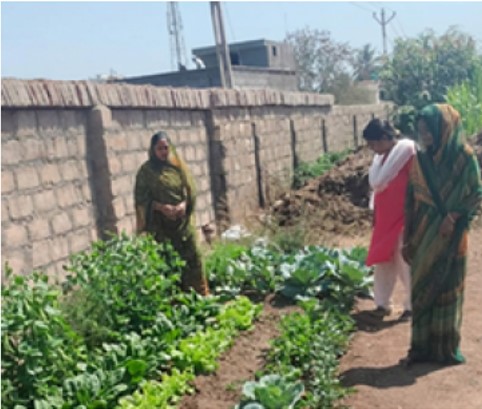
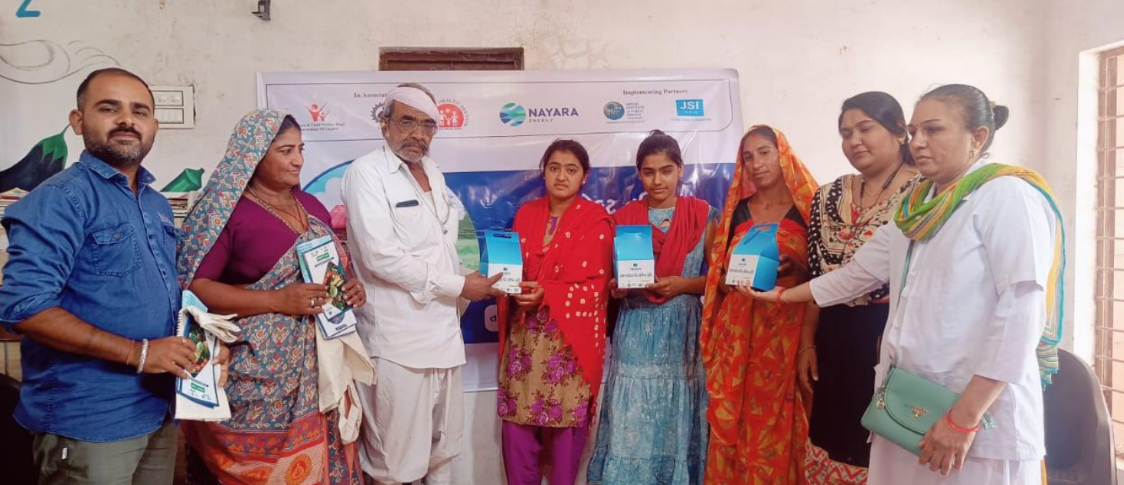
“After the birth of my child, my hemoglobin level was low. Through the guidance given during Mamta Divas and Mangal Divas by the nurse, Anganwadi worker, and Project Tushti staff, I learned about proper nutrition, THR usage, and iron-rich foods. I also developed a nutrition garden at home and regularly took IFA and calcium tablets as advised. This helped improve my hemoglobin level and reduced weakness and fatigue.”
Viju Khoda Gamara, Lactating Mother