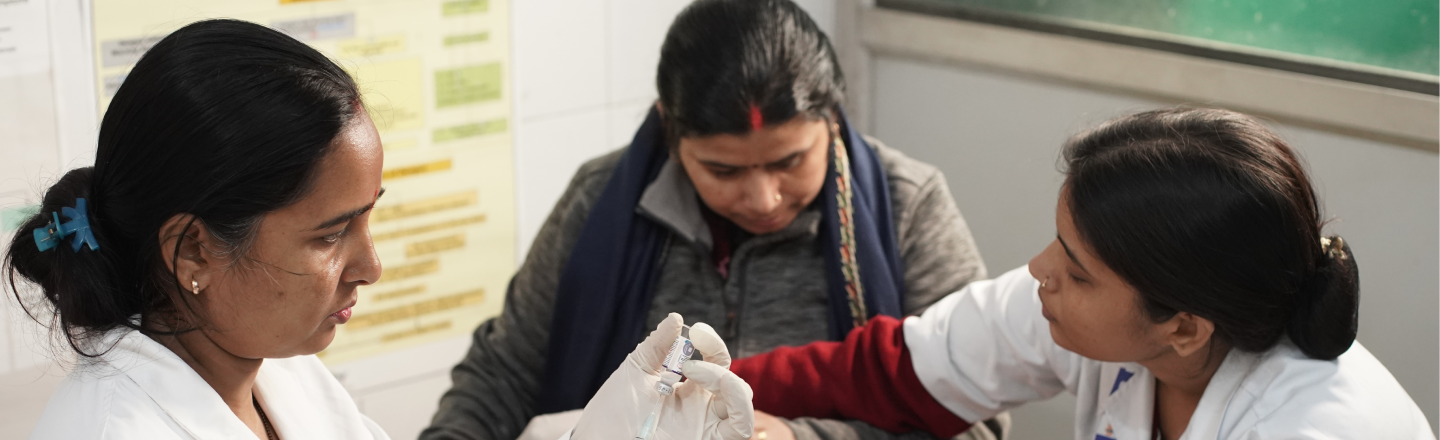
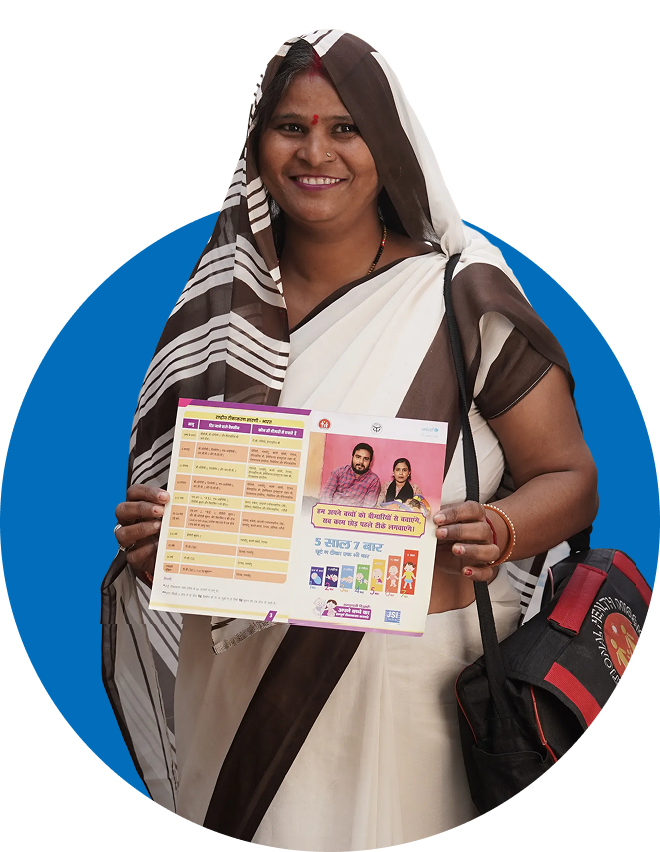
We partner with leading UN agencies, private organizations, and government organizations to accelerate immunization coverage across India. Our work focuses on closing the “zero-dose” gap by institutionalizing data-driven decision making and ensuring that life-saving vaccines reach the most underserved populations.
Our evidence-based approach prioritizes the identification of unimmunized and partially immunized children, strengthening the digital health ecosystem to ensure no child is left behind. By integrating high-precision healthcare strategies with government frameworks, we build resilient immunization systems that empower health officials to make informed, real-time decisions. For identification of zero-dose children and ensuring their immunization, we specifically focus on high-priority districts, including GAVI-identified regions in Uttar Pradesh and Haryana, to drive systemic change. For data-based improvements in governance and oversight, we focus on all 143 zero-dose districts.
India has made significant strides in immunization coverage over the past two decades. While NFHS-4 (2015–16) recorded a 62% full immunization rate for children aged 12–23 months, NFHS-5 (2019–21) saw this figure climb to 76%. Despite this progress, one in four children remains under-vaccinated or unvaccinated, revealing persistent disparities across states, districts, and socioeconomic strata.
Our work in Immunization domain aligns with the Ministry of Health and Family Welfare (MoHFW) goals and the Universal Immunization Programme (UIP), aiming for 95% full immunization coverage by 2030. By shifting from generalized services to evidence-based governance, we address the “last mile” challenges that prevent the most vulnerable children from receiving essential healthcare.
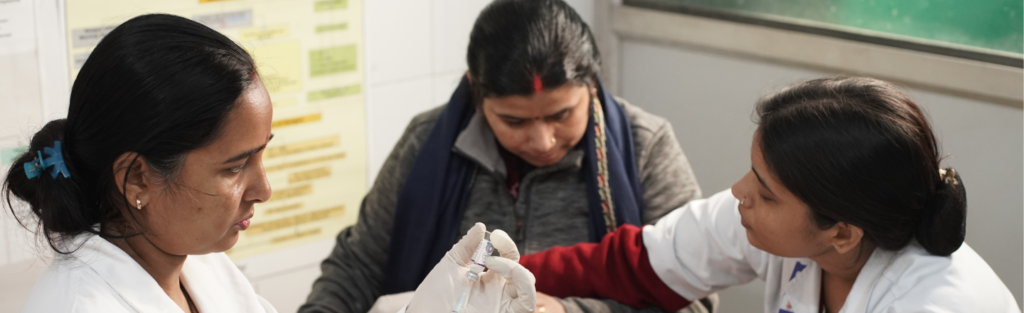
We use Social and Behavior Change Communication (SBCC) to address vaccine hesitancy and increase community demand through counseling and local engagement.
01 / 03
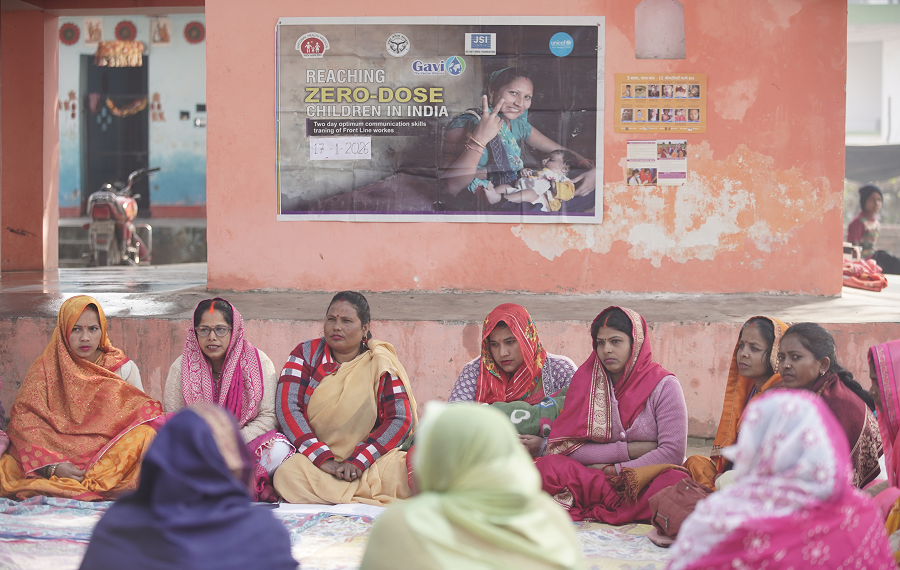
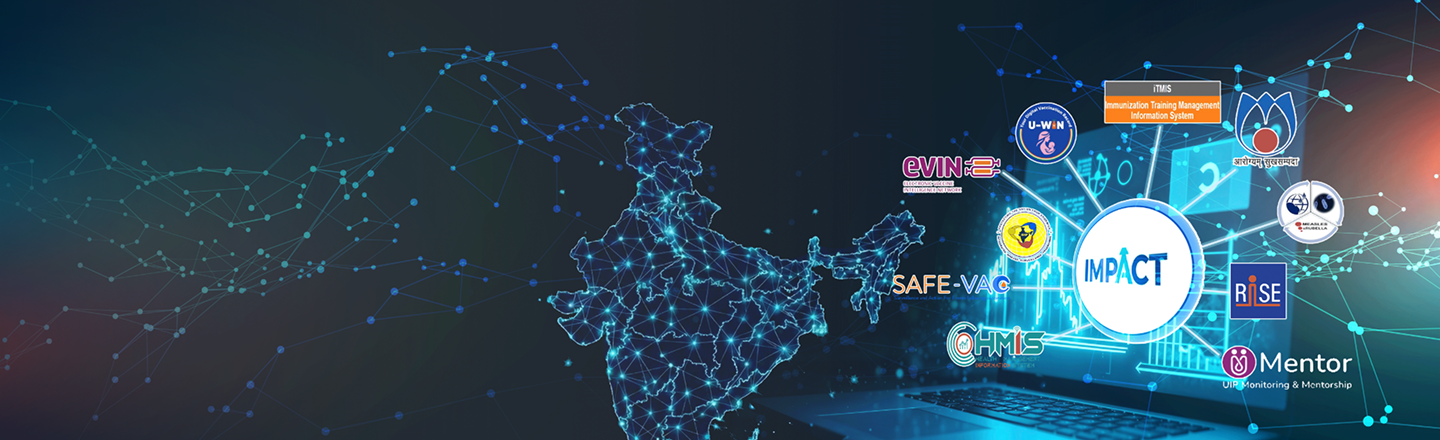
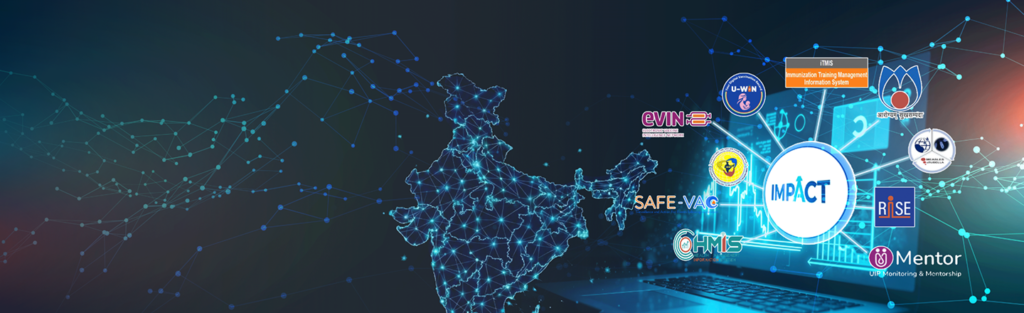
We strengthen data governance by helping the health system transition to one data platform, ensuring vaccination data for every child is visible on the specific state and national dashboard.
02 / 03

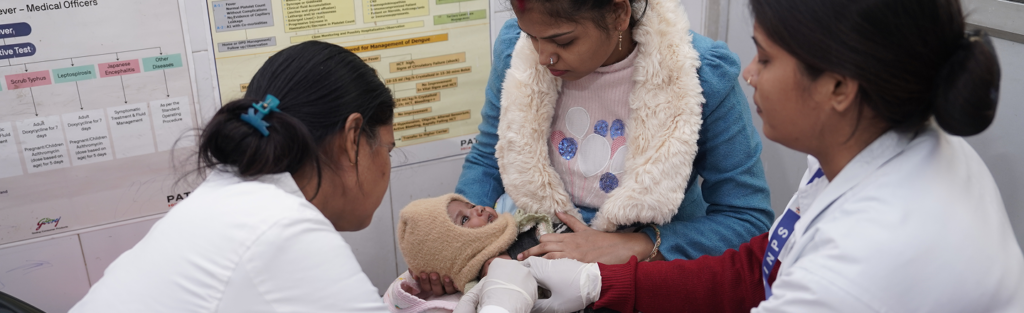
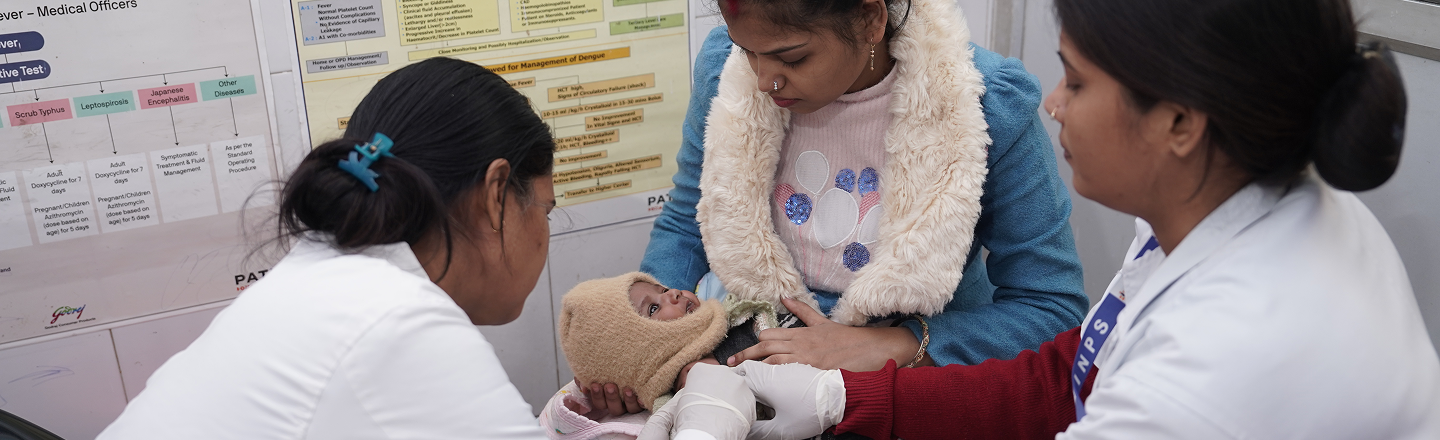
We build the capacity of frontline healthcare workers and state and district level health officials with data-driven tools and specialized training.
03 / 03
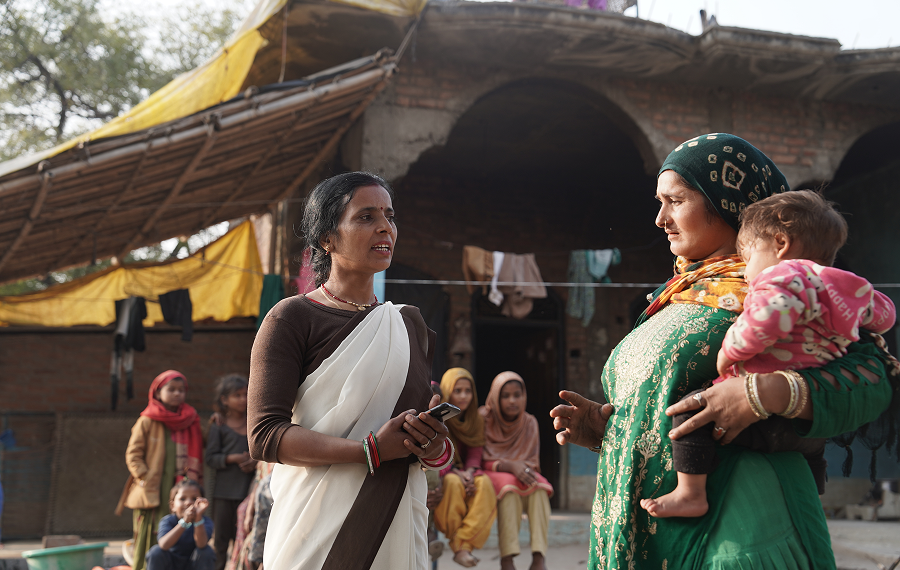
We use Social and Behavior Change Communication (SBCC) to address vaccine hesitancy and increase community demand through counseling and local engagement.
01 / 03
We strengthen data governance by helping the health system transition to one data platform, ensuring vaccination data for every child is visible on the specific state and national dashboard.
02 / 03
We build the capacity of frontline healthcare workers and state and district level health officials with data-driven tools and specialized training.
03 / 03
States
Districts
Zero Dose Children Vaccinated
Trained Frontline Health Workers
States
Districts
Zero Dose Children Vaccinated
Trained Frontline Health Workers
States
Districts
Zero Dose Children Vaccinated
Trained Frontline Health Workers
States
Districts
Zero Dose Children Vaccinated
Trained Frontline Health Workers
(Data as on 31st December 2025)
Data Analytics Project
Funded by the UNDP, the Data Analytics project is being implemented under the guidance of the Ministry of Health and Family Welfare (MoHFW). The project is designed to strengthen the country’s Immunization ecosystem by leveraging advanced analytics to generate real-time, actionable insights. The overarching objective is to improve the availability, quality, and use of immunization data to enable evidence-based planning, effective program management and targeted interventions, and strengthened accountability.
Aligned with the Immunization Agenda 2030 (IA2030), this initiative aims to reduce the number of zero-dose children by identifying zero-dose clusters and implementing data-driven strategies. By building stakeholder capacity, fostering evidence-based planning, and embedding structured data use into governance and review mechanisms, Data Analytics project plans to build a resilient, data-driven immunization system that ensures equitable coverage.
Boosting Demand for Routine Immunization and reducing Zero Dose Children
In collaboration with UNICEF, this project is being implemented across Uttar Pradesh and Haryana to strengthen routine immunization demand in communities that need it most. Focused on 11 underserved districts in Uttar Pradesh and one district in Haryana, the initiative directly confronts persistent gaps in Full Immunization Coverage (FIC), one of India’s most pressing public health challenges.
By combining community engagement, behavior change communication, and frontline workforce capacity-building, this is designed to accelerate progress toward equitable immunization and ensure that no child is left behind.
Pratiraksha Suraksha Ki Dor
In partnership with GSK Asia Private Limited, Pratiraksha – Suraksha Ki Dor was implemented in Rewari district, Haryana. The initiative aimed to improve routine immunization coverage by reducing dropout rates, with a key focus on promoting paracetamol use to manage post-vaccination side effects in children aged 0–2 years.