Resources

IEC

Posters

Videos

Jingles

Take Home Ration_Radio

Menstrual Health and Hygiene_Radio

Prevention of Anaemia in Adolescent_Radio

Preventing the vicious cycle_Radio

Reports

PUSHTI- SBCC

   PDF

FY 18-20

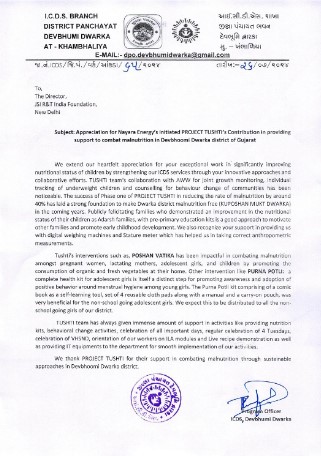
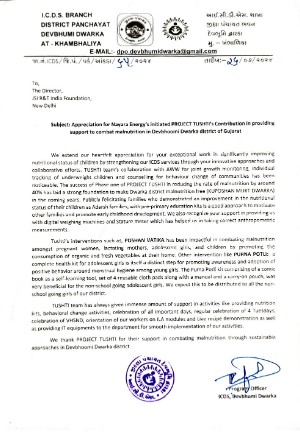
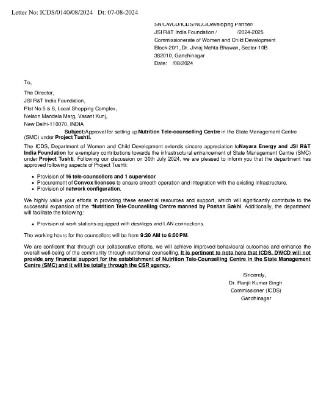
PUSHTi- End of Project Report

   PDF

FY 18-20

ANSH- End of Project Report

   PDF

FY 18-20

Annual Report 2024-25

   PDF

FY 24-25

Road To School Report

   PDF

FY 20

Tushti Report

   PDF

FY 24-25

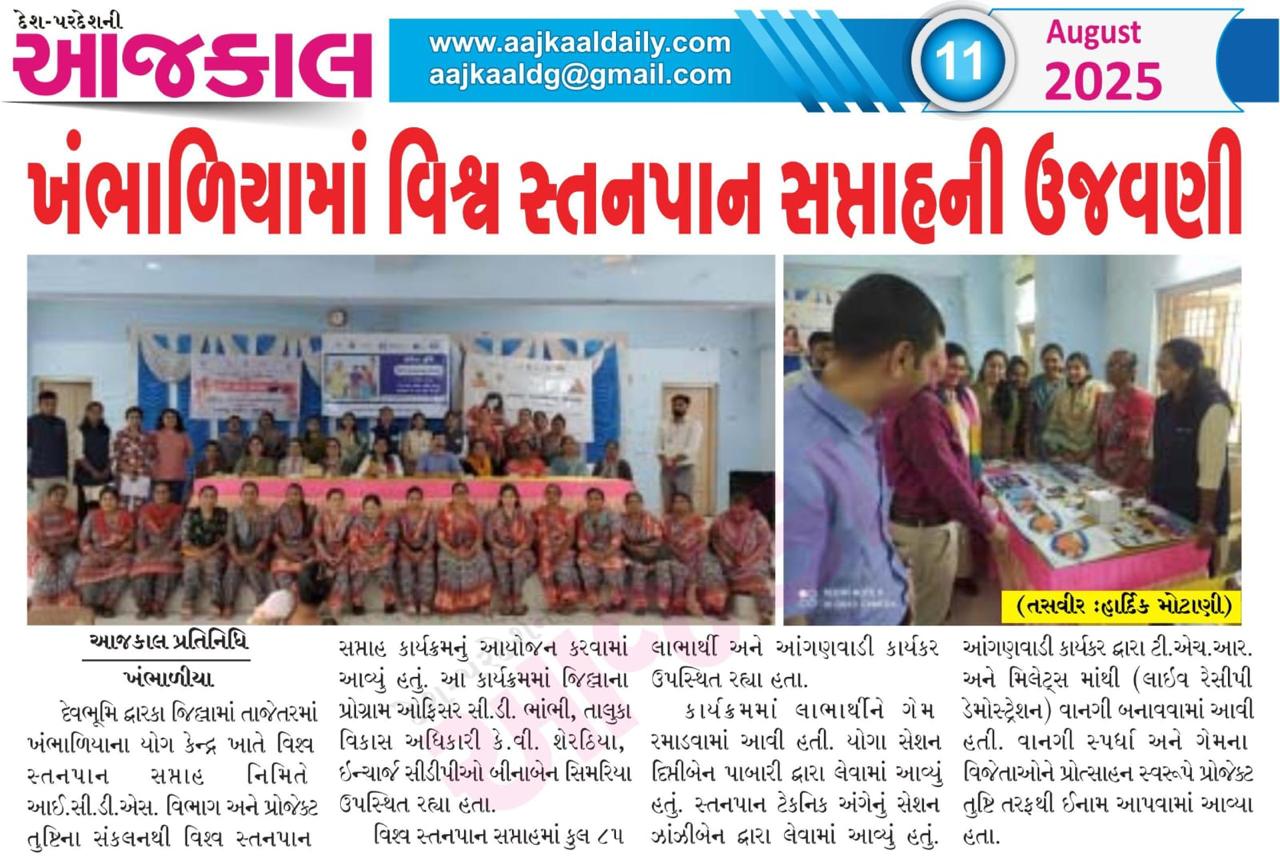
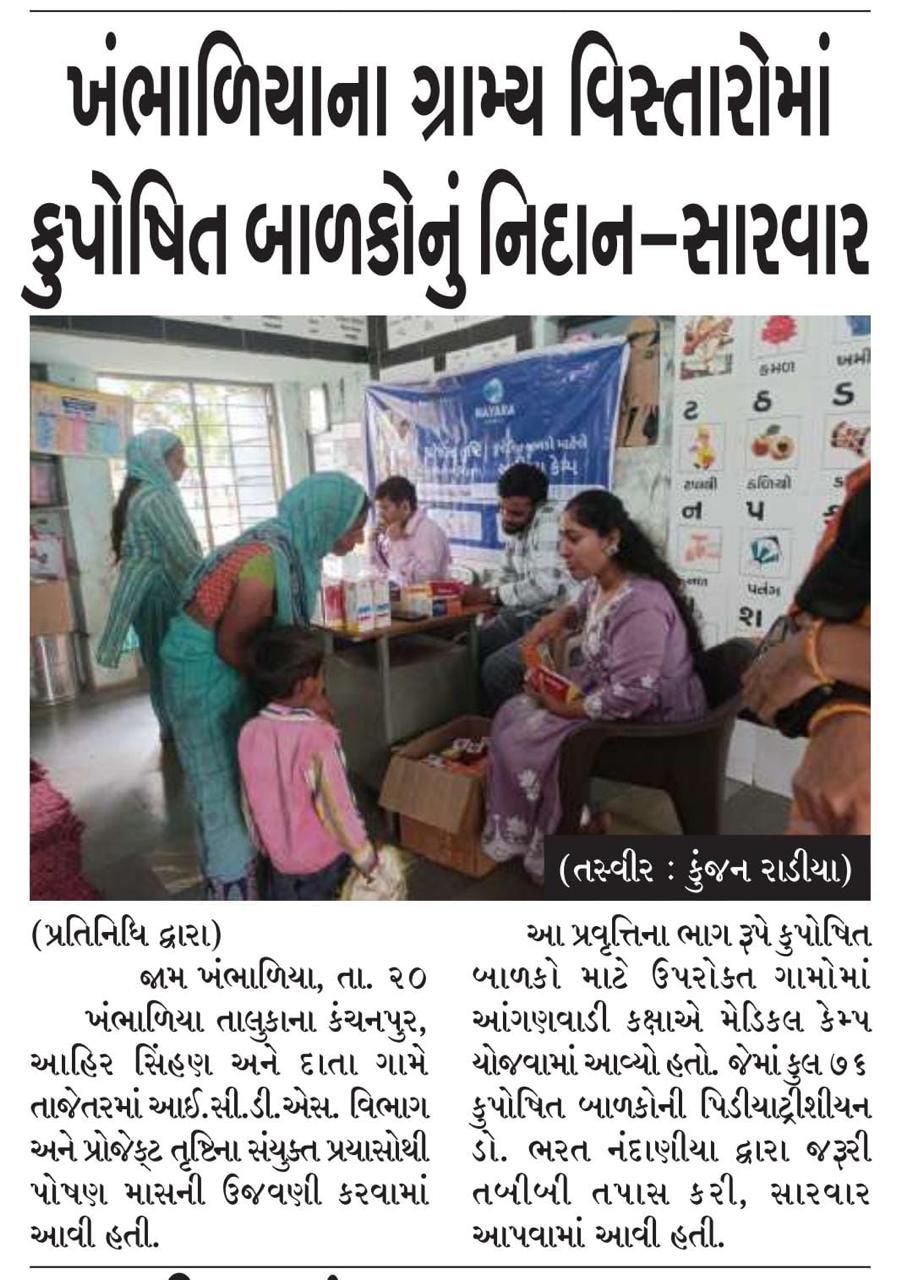
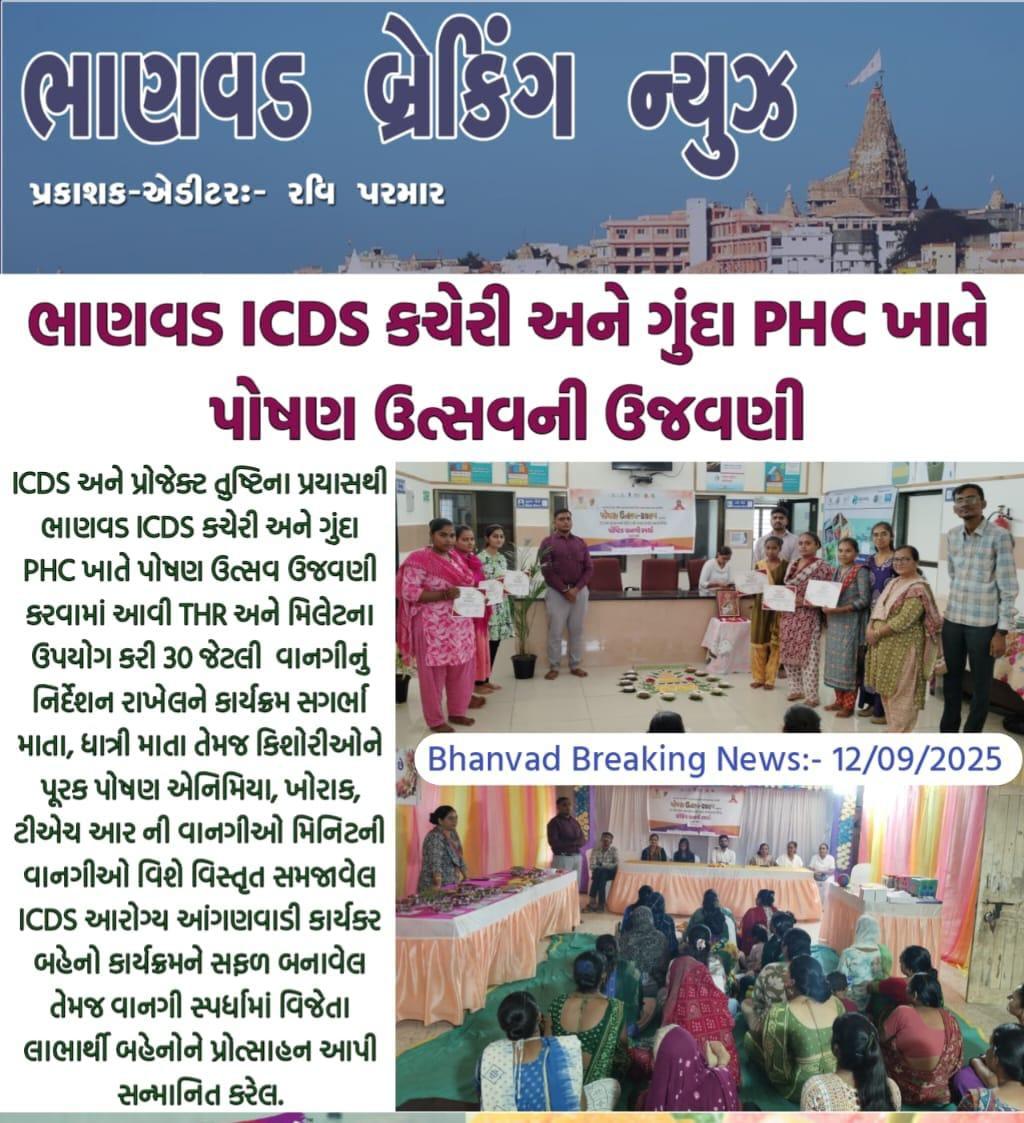
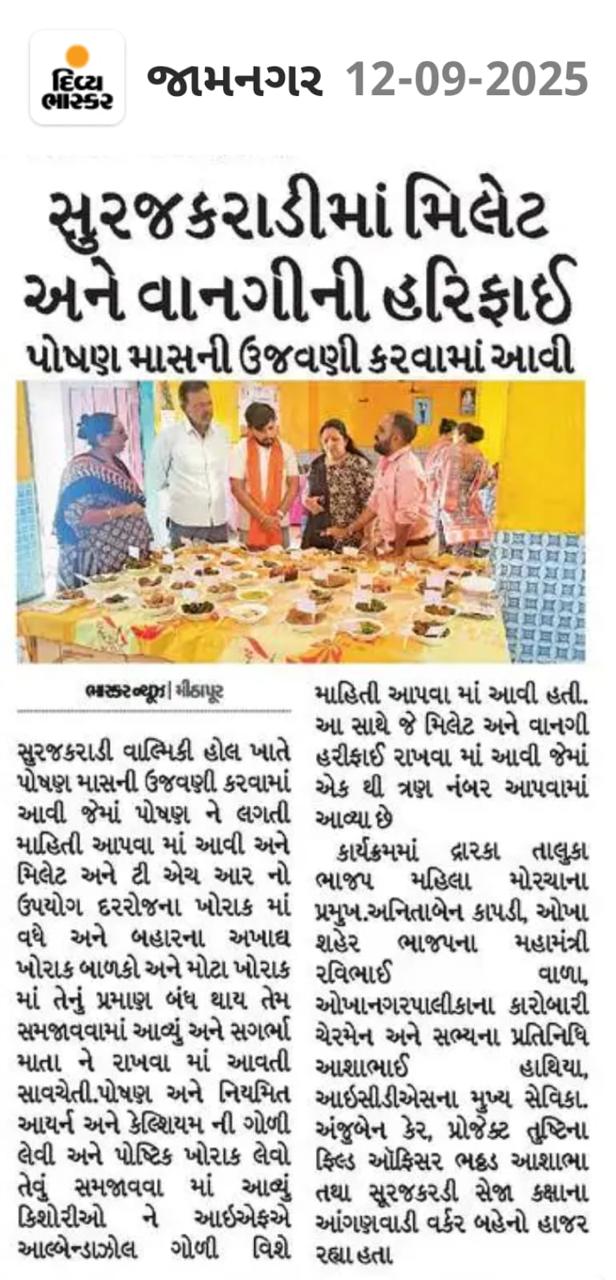
Media

Success Stories

The Power of Transect Walk

Discovering Hidden Homes in Naipura, Ghaziabad

Rapidly urbanizing industrial city Ghaziabad Bordering Delhi, Ghaziabad city in Uttar Pradesh faces challenges like inadequate infrastructure, migration, income inequality, and high population density. These stressors contribute to serious public health deficits such as low routine immunization (RI) coverage, inadequate sanitation, poor nutrition, and high home deliveries.

While Uttar Pradesh has attained 99.41 percent Full Immunization Coverage, Ghaziabad’s district average at 68.7 percent falls significantly below the state-average city performance according to FY 2023-24 HMIS data.

UNICEF, in partnership with JSI (R&T) Foundation under the Gavi Zero-Dose partnership, has been entrusted the challenge to increase RI coverage. For maximum impact, the focus is on areas with high incidence of zero-dose children and families showing vaccine-avoidance behavior. Monitoring data (WHO/UNICEF) narrowed down a total of 255 ASHA areas to 200 across 80 urban sub-centers and UPHCs. One such area was Naipura, with 2,492 residents, mostly migrant daily laborers from Scheduled Castes.

Using Participatory Approaches

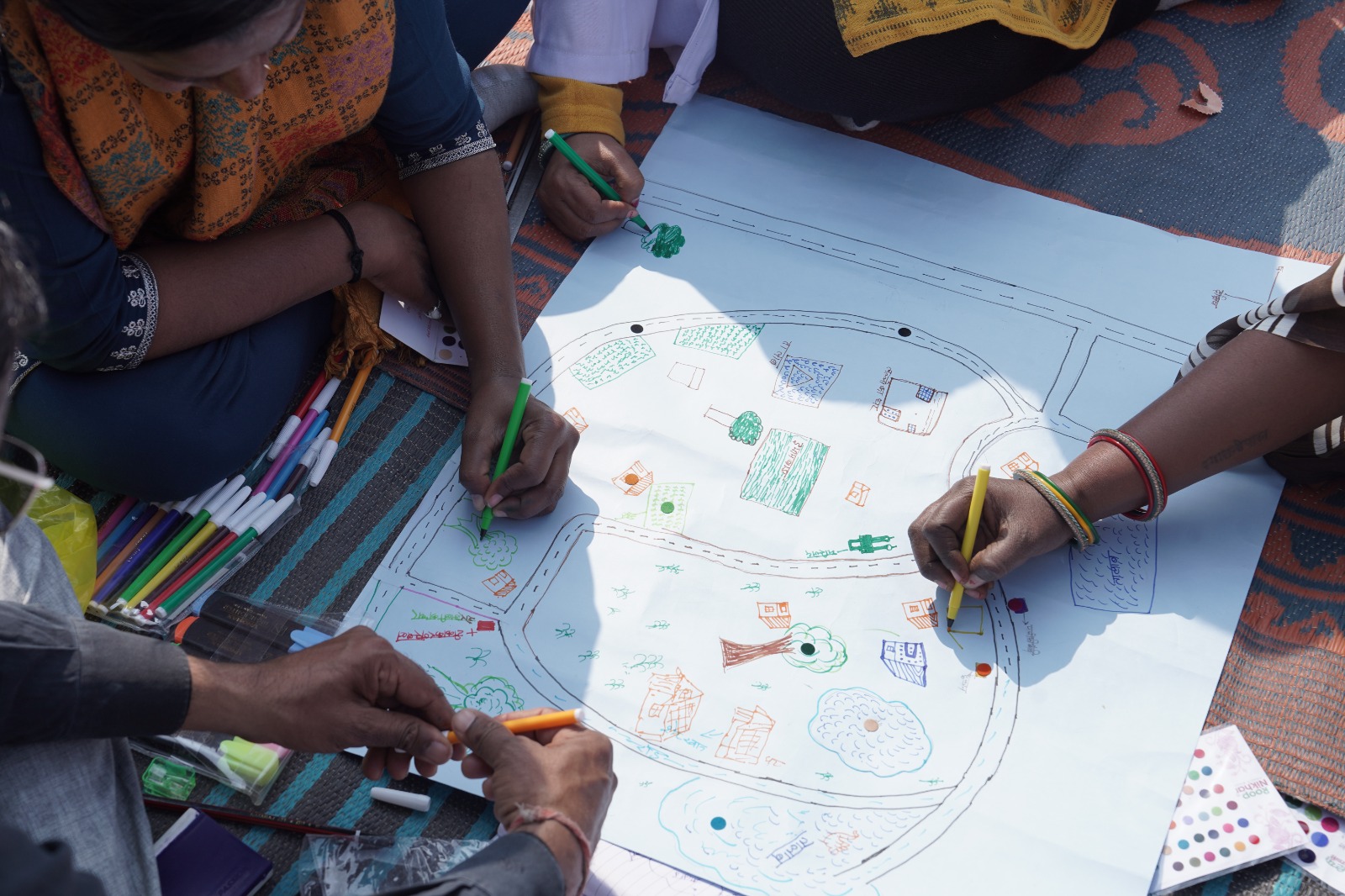
The CSO team undertook a transect walk led by the Cluster Coordinator and community members. As they walked through narrow lanes and observed daily routines, they discovered two lanes which the link worker and ANM were unaware of. Consequently, no Community-based Village Health Sanitation and Nutrition Day sessions had been conducted there, as it was a total blind spot for the health system for at least the last two years.

These houses, hidden in narrow lanes, meant dozens of children had been deprived of basic health services, including immunization. To understand this better, a social map of Naipura was created, incorporating these newly discovered lanes—covering 150 households—with inputs from community members.

“Transect walk and social mapping are powerful community engagement tools that help understand social and spatial topography of area, mingle with community and identify challenges and opportunities.”

Mobilizing Action

Findings were shared at Block and District Review Meetings. The District Immunization Officer responded swiftly, appointing ASHA Pinki, deploying a head-count survey, and initiating special immunization sessions at locations easily accessible to missed communities. The survey revealed an increased number of 3,291 children aged 0–5 years including 84 VAB or ZD children. Following capacity-building for frontline workers, a rolling program of interpersonal communication, influencer engagement, and home visits commenced.

Action and Results

  • Service Delivery: Two special immunization sessions were held, and 50 children were vaccinated on-site.
  • Micro plan Integration: Arun Studio was designated a permanent session site, with sessions occurring every fourth Saturday.
  • Equity Impact: Young mothers like Jyoti and Rani expressed relief and gratitude for the first immunizations in two years and a newfound trust in government services.

A Mother’s Perspective:

“No immunization had been taking place in our area for the past two years, no one came to our area. We are poor so it was difficult for us to go to private facilities. My children have finally received immunization and the protection from diseases.” — Jyoti, a local mother

Moving Forward

The future must build on this success—replicate human-led mapping, reinforce frontline mentorship, and embed community voices at every level.
Revitalising VHSNCs: Strengthening Community Governance for Nutrition and Health in Devbhumi Dwarka

Reactivating a Village Platform

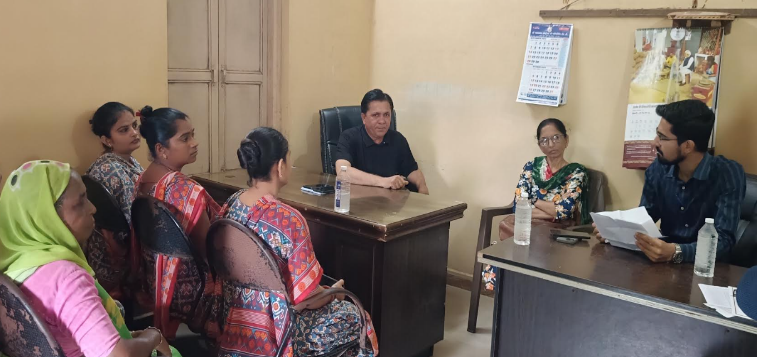
Village Health Sanitation and Nutrition Committees (VHSNCs), constituted under the National Health Mission, are mandated to serve as village-level governance platforms linking communities with frontline services. Many VHSNCs in Devbhumi Dwarka were observed to be either inactive, irregular in meetings, or limited to record-keeping without actionable follow-up.

Understanding the Local Nutrition Context

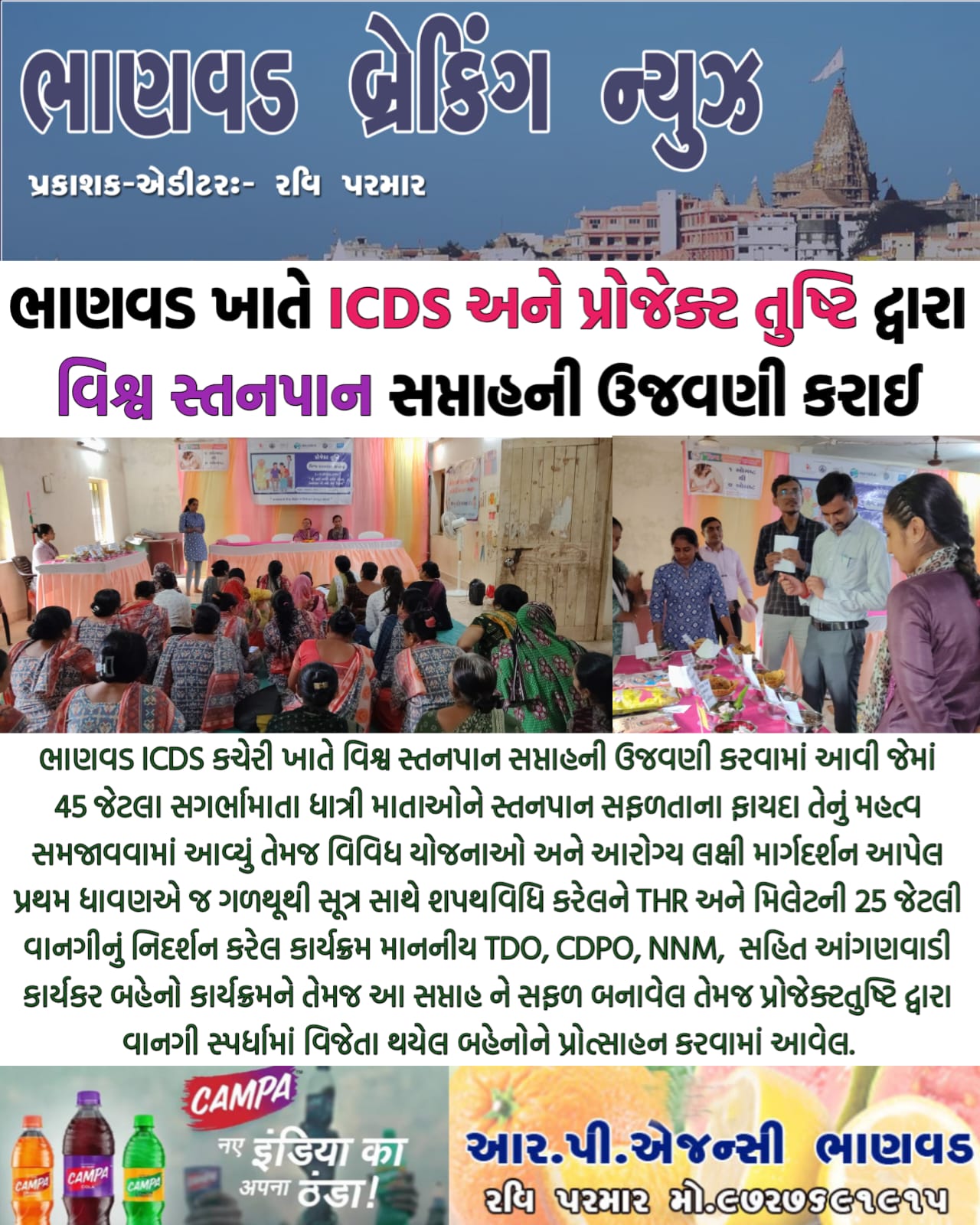
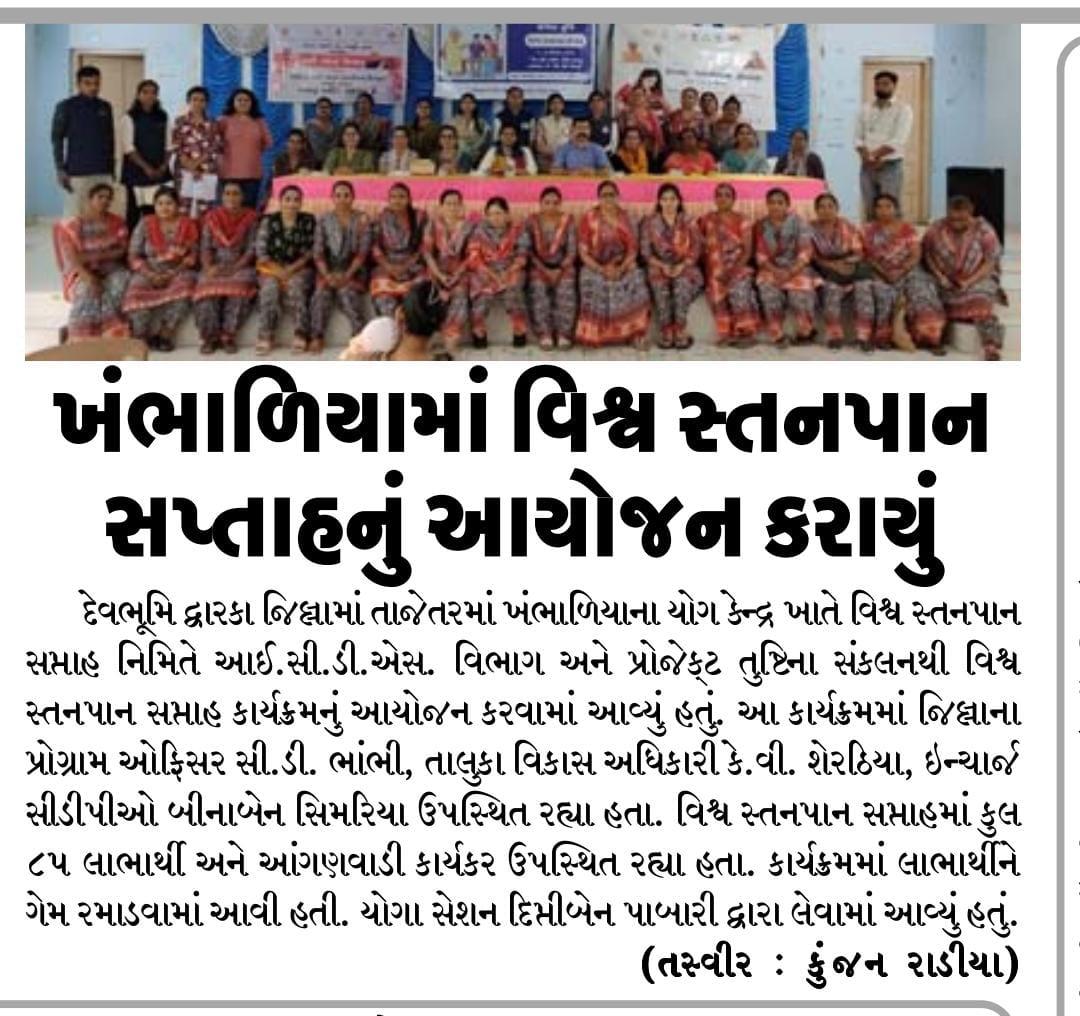
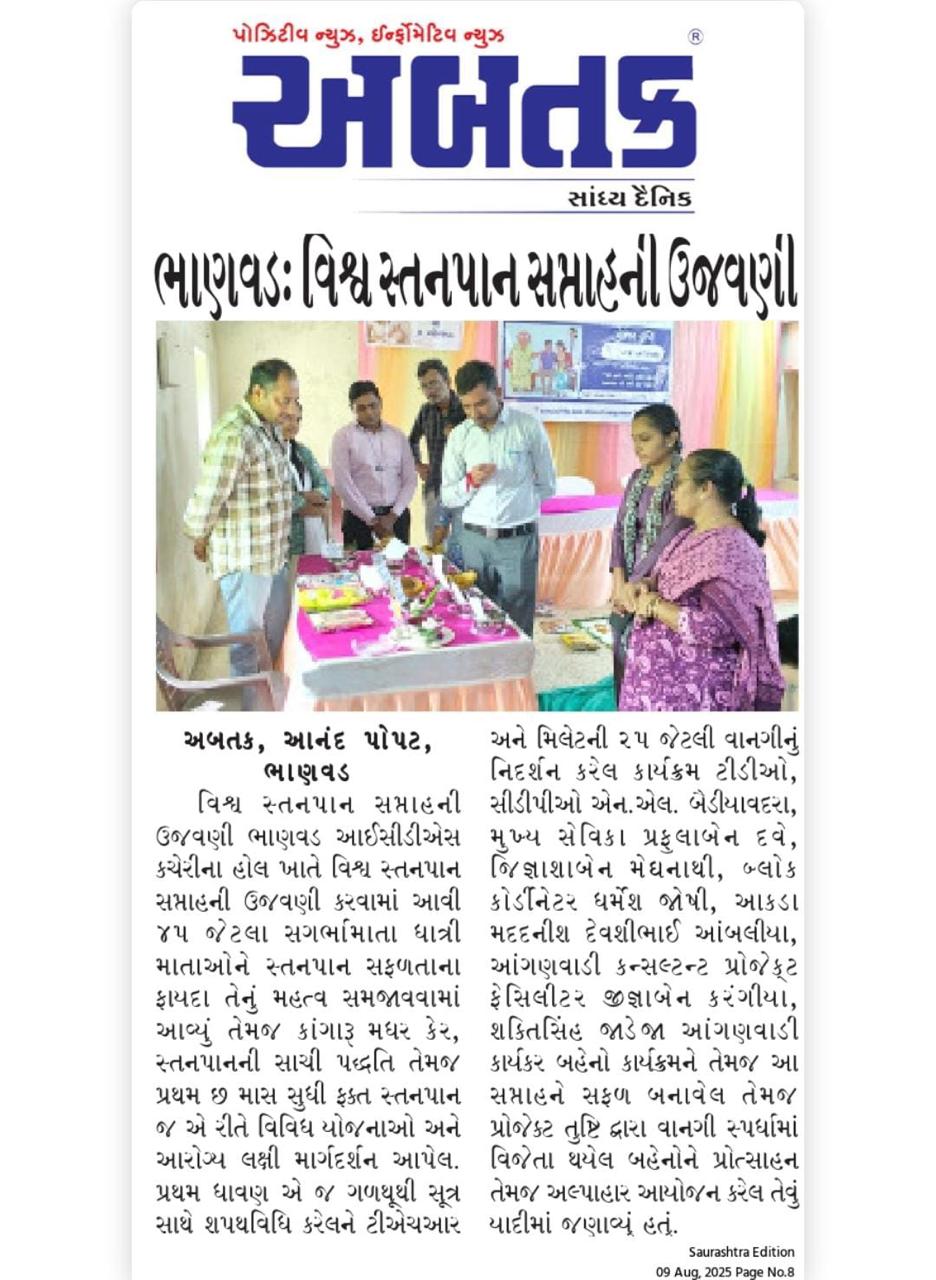
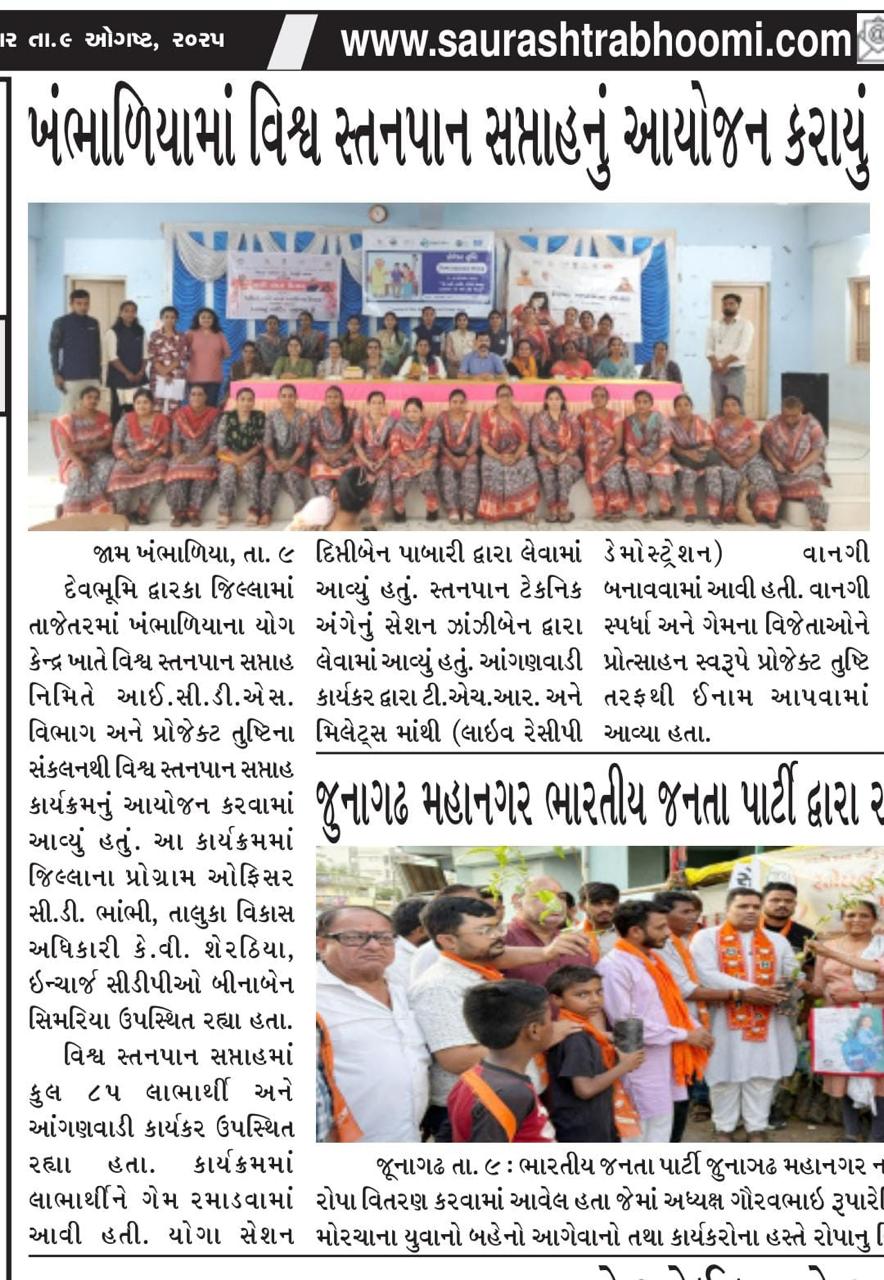
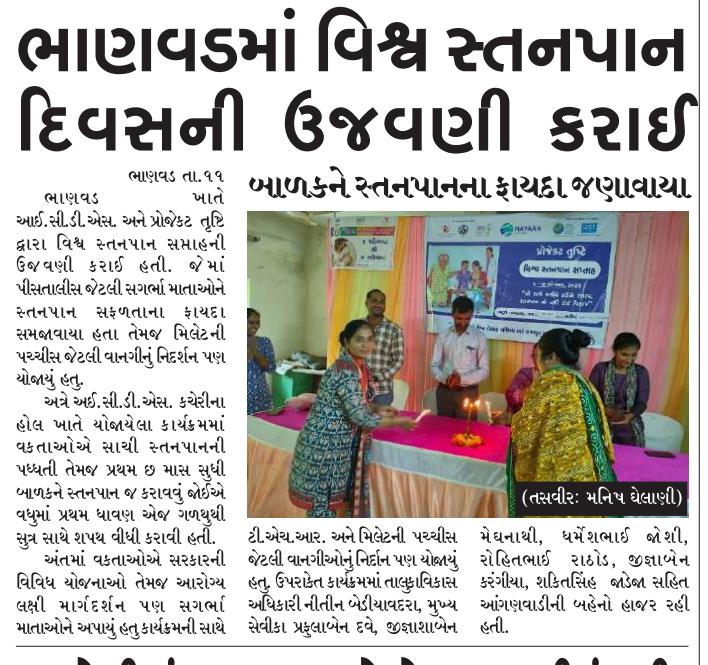
In blocks like Bhanvad, comprising 52 dispersed villages, persistent undernutrition was driven by sanitation gaps, dietary limitations, and deeply rooted social practices.

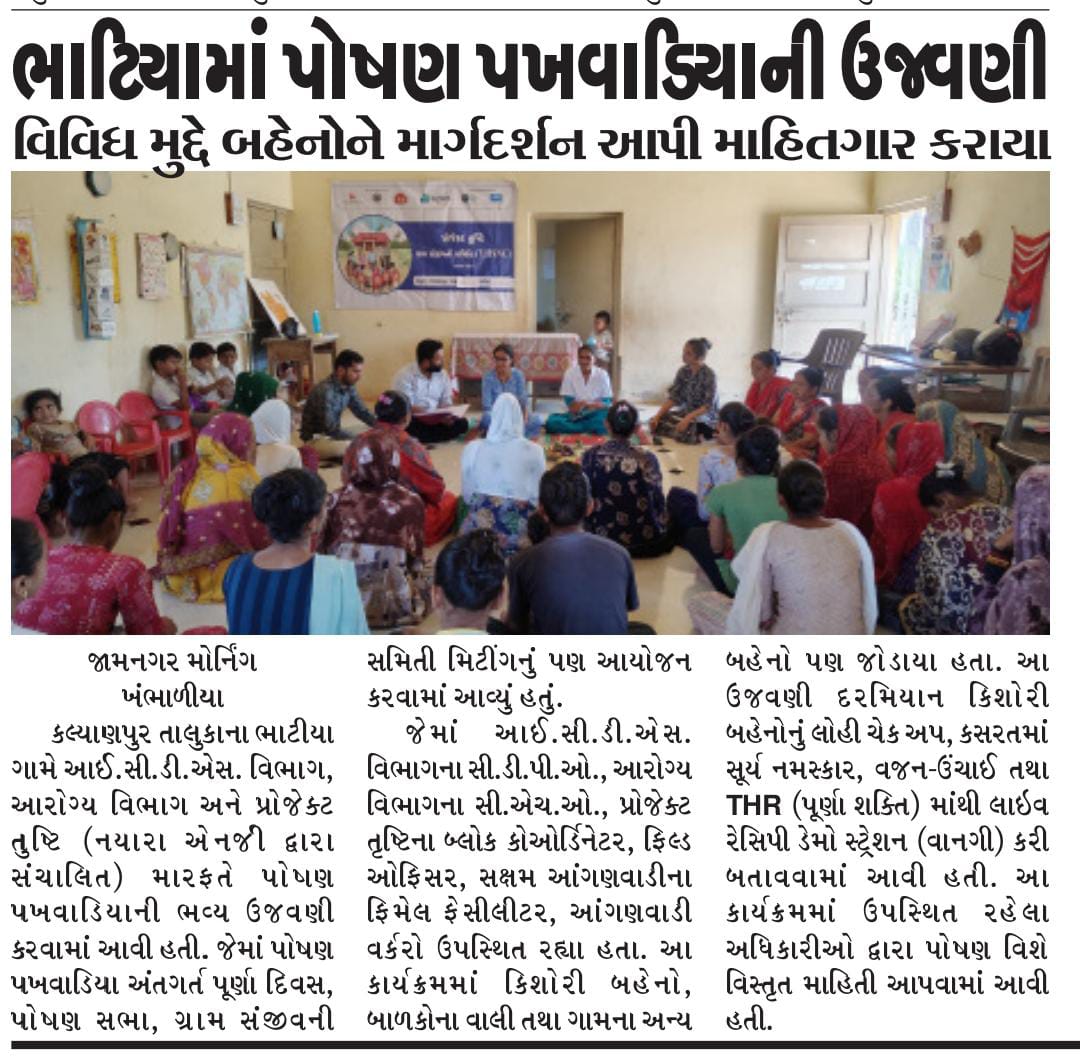
During the COVID-19 pandemic, misinformation and anxiety further intensified vulnerabilities. In several villages, Take-Home Ration (THR) supplied through Anganwadi centres was misutilised, including diversion for animal feed, reflecting limited awareness of preparation methods, restricted vegetable access, and gaps in understanding balanced nutrition.

Gaps were also observed in infrastructure maintenance, service monitoring, maternal tracking, sanitation initiatives, and utilisation of available grants. Convergence between Health, ICDS, and Panchayat institutions required strengthening.

Under Project Tushti, VHSNCs were restructured to ensure representation and active participation. The focus shifted from passive record-keeping to problem-solving around nutrition, maternal health, sanitation, and Anganwadi functioning.

Nutrition and Preventive Health Actions

Project Tushti intensified the block-level efforts through structured convergence with ICDS, Health, and Panchayat institutions. VHSNC platforms enabled systematic identification and tracking of underweight children, adolescent girls, pregnant women, and lactating mothers through regular growth monitoring and follow-up.

VHSNC meetings incorporated monitoring of Community-Based Management of Acute Malnutrition (CMAM) and anaemia among adolescent girls. This enabled the timely identification of undernourished children, improved follow-up and treatment of SAM/MAM cases.

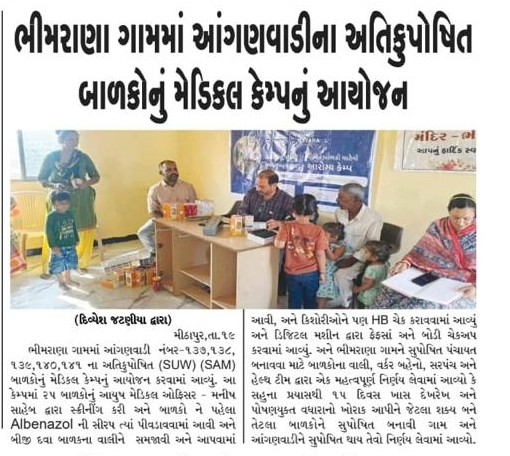
Nutrition kits were distributed in Bhimrana, Shiva, and Jampar. Household chlorination drives were conducted in Gopi and Goriyari, and deworming drives were facilitated. Medical camps enabled screening and treatment of malnourished children, strengthening referral linkages.

Infrastructure Improvements Through Local Action

Strengthened VHSNCs enabled the resolution of local infrastructure gaps. In Mevasa and Bhimrana, Anganwadi, boundary walls were constructed, improving child safety. In Goriyari, a dedicated room was allocated for health team activities. Repairs to sub-centre sanitation facilities were undertaken in Chachlana, and improvements were initiated in Jamrojivada and Khambhalia to strengthen Anganwadi space and functionality.

Service Uptake and Monitoring

Anganwadi service delivery was regularly reviewed to ensure continuity and quality. Panchayat representatives mobilised local resources, reinforced sanitation initiatives, and supported monitoring of vulnerable households. Growth charts and service registers were actively reviewed during VHSNC follow-ups, ensuring that identification translated into improved utilisation of existing services.

Improved monitoring led to higher Anganwadi attendance and immunisation coverage in Mevasa and Rajpara. In Kalyanpur block, pregnancy registration and ANC follow-ups for high-risk and migrant women were strengthened through VHSNC tracking. In Chokhanda, regular haemoglobin testing for adolescent girls was initiated. In Goriyari, structured counselling facilitated the adoption of family planning procedures among previously hesitant women. Pre-school IEC materials were procured using VHSNC grants to improve early childhood environments.

Transition to Malnutrition-Free Status

Through institutionalised meetings, documented resolutions, and strengthened convergence, VHSNCs evolved into active governance platforms. Villages including Shiva, Gadu, Jamrojivada, and Mevasa progressed toward Malnutrition-Free status, reflecting improved service uptake and coordinated action across Health, ICDS, and PRI systems.


“As the Sarpanch of Kalyanpur, I have seen that with the support of Project Tushti and the Health Department, Gram Sanjeevani Samiti meetings are now conducted regularly at the Gram Panchayat. These meetings help us understand the health situation of the village, especially regarding malnutrition among children and anemia among adolescent girls.The discussions also help us learn about government programs and ensure that villagers receive the necessary services. The Gram Panchayat is happy to extend full cooperation in supporting these health initiatives.”

-Vikrambhai Bela

Sarpanch, Kalyanpur Gram Panchayat


“As the Sarpanch of Shiva village, I am proud to share that through the joint efforts of the Panchayat, Anganwadi workers, health staff, and the Project Tushti team, our village has now become Suposhit. Today, there are no malnourished children in the village, and pregnant women are receiving proper care and giving birth to healthy babies. Regular awareness activities, growth monitoring, and community participation have played an important role in this achievement. I am happy that our village is moving towards a healthier and stronger future.”

-Sarpanch, Suposhit Shiva Village

Strengthening Adolescent Health Through Integrated Anemia Management: Devbhumi Dwarka, Village, Surajkaradi Village

Delayed Care and Severe Risk

In Surajkaradi village, Khushali lived with her parents and younger siblings in a household dependent on vegetable vending for daily income. After discontinuing her education following Class 9, she assumed household responsibilities.

Irregular menstruation, persistent fatigue, weakness, and severe abdominal pain had become routine. Limited engagement with Anganwadi services and hesitation to discuss menstrual health delayed clinical attention.

In January 2022, haemoglobin testing revealed an Hb level of 6%, indicating severe anaemia and placing her at high health risk.

Structured Follow-Up and Adolescent Support

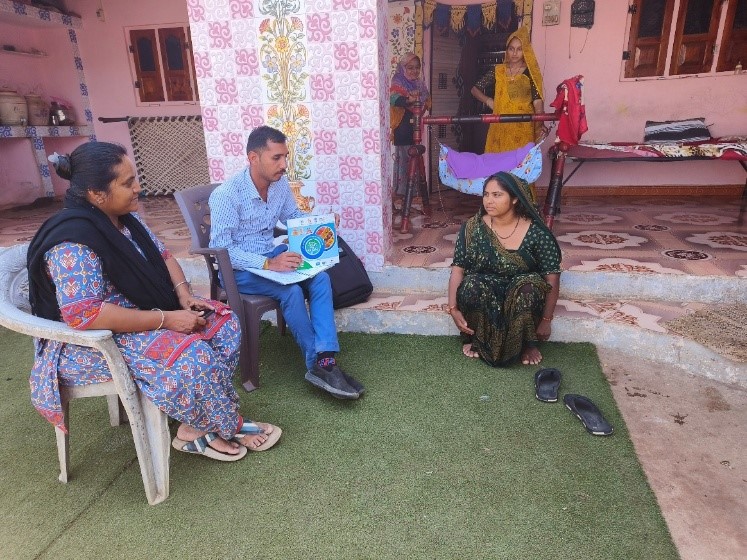
Following identification, Khushali was enrolled under structured follow-up through the Anganwadi platform with support from Project Tushti.

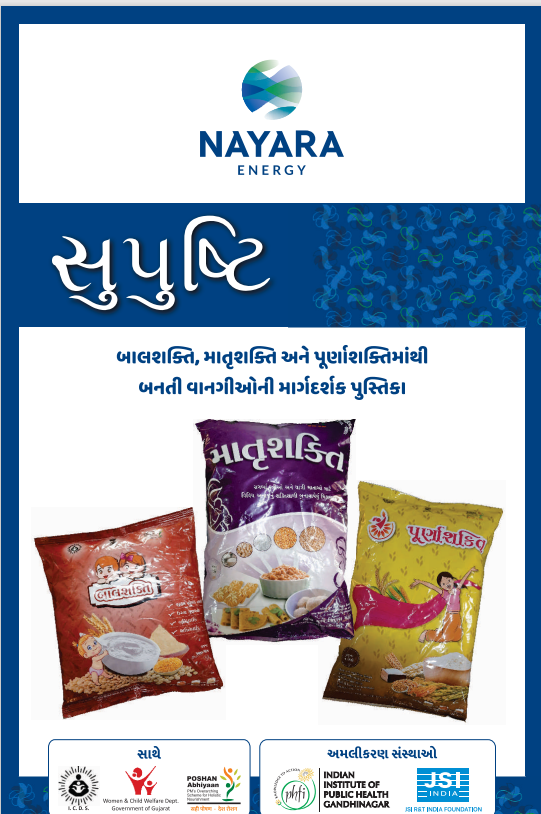
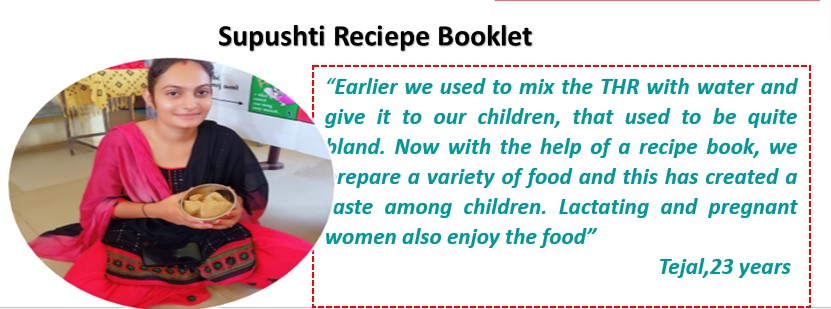
Interventions focused on sustained anaemia management rather than one-time supplementation. She received regular Iron and Folic Acid (IFA) supplementation, anthropometric measurement, and individualised dietary counselling using the Supushti Book. Guidance emphasised consistent consumption of iron-rich foods and Take-Home Ration (Prunashakti) to improve dietary intake.

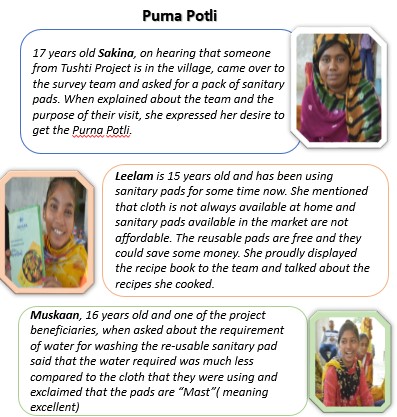
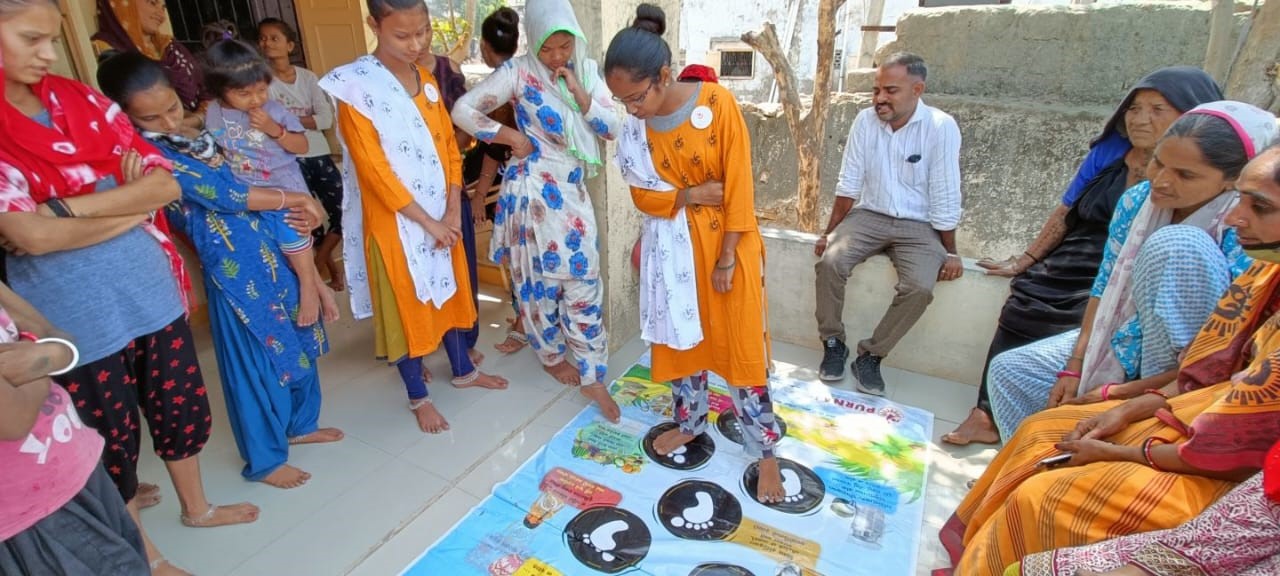
Recognising the link between anaemia and menstrual health, counselling also addressed menstrual hygiene and myths. Khushali received a Purna Potli kit, including reusable cloth pads and a menstrual health comic, enabling safe practices and informed decision-making.

Safe counselling spaces at the Anganwadi allowed her to openly discuss menstrual concerns for the first time, strengthening adherence to supplementation and dietary advice.

Measurable Recovery

She began participating in Gauravi Divas activities and demonstrated preparation of recipes using Prunashakti (THR), reflecting increased engagement with nutrition platforms

With sustained follow-up, Khushali’s health indicators improved significantly over approximately 18 months of continuous engagement and counselling support. Her haemoglobin level increased from 6% to 11%, reflecting a transition from severe to near-normal status. Her weight increased from 42 kg to 46 kg, and her height improved from 149 cm to 154 cm, indicating improved nutritional status during adolescence.

“I am 21 years old. Earlier my hemoglobin (Hb) level was 6%. People from Project Tushti, Ashabha and Jigisha ben, came and explained everything to me and started my medicines. Now my Hb level is 11%. I am very happy. I also got married 3 months ago. I am still continuing the medicines, and I am also following the nutrition advice that they explained to me.”

-Khushali Ghediya, Adolescent Girl


From Nutritional Deficit to Self-Reliance: Nisha’s Poshan Vatika Journey

Maternal Undernutrition in a Farming Household

Nisha Narendrasinh Chadusma lives in a joint family of 10 members. As a lactating mother, Nisha faced significant nutritional challenges. During a visit by the Project Tushti team in February 2024, she was found to be severely underweight, weighing only 36 kg and her child weighing 7kg. Limited dietary diversity and inadequate access to nutritious food had adversely affected the health of both mother and child.

Poshan Vatika- a Household-Level Nutrition Security

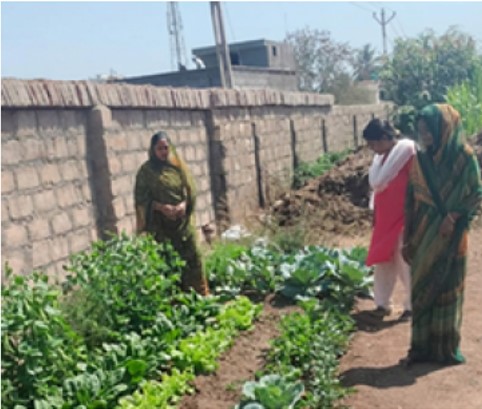
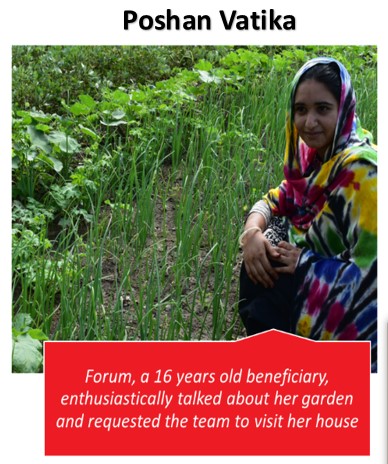
During counselling, the Field Officer introduced Nisha to the Poshan Vatika initiative under Project Tushti. The intervention focused on strengthening household-level access to fresh vegetables through small-scale kitchen gardening.

Nisha agreed to establish a home garden using the Poshan Vatika Kit. Seeds and basic inputs enabled her to cultivate seasonal vegetables within the available household space.

Nutritional and Economic Impact

Within four months of implementation, measurable changes were observed. Nisha’s weight increased from 36 kg to 40 kg, while her child’s weight improved from 7 kg to 9 kg. Regular consumption of homegrown vegetables improved dietary diversity during the lactation period.

Simultaneously, the household reduced daily vegetable expenditure of approximately ₹150, easing financial pressure. Surplus produce was occasionally shared within the neighbourhood, reinforcing community-level interest in kitchen gardening.


“Under Project Tushti, I was provided with a Poshan Vatika kit. With the seeds and guidance included in the kit, I started growing vegetables at home. Now my family receives fresh and nutritious food regularly. My children’s health has improved, and we have become more aware about proper nutrition. I am truly grateful for this support.”

— Nisha Narendrasinh Chauhan, Lactating Mother

Reversing Severe Underweight Through Maternal Behaviour Change

A Birth with High-Risk

Maluben Samantbhai Bhojani, a resident of Khambhalia, lives with her husband, an auto driver, and their son Kartik. During pregnancy, Maluben had haemoglobin (HB) of 9.2 and continued tobacco consumption, with limited dietary intake. At delivery, she weighed 51 kg, and Kartik was born at 900 grams, placing him in the extremely low birth weight category. Low maternal nutrition and tobacco exposure significantly increased Kartik’s vulnerability from birth.

Severe Underweight at Seven Months

On 13 January 2024, when Kartik was 7 months old, the Project Tushti Field Officer assessed him at 5.6 kg (62 cm), classifying him as Severely Underweight (SUW). Growth faltering persisted beyond infancy, indicating the need for corrective intervention.

During counselling, maternal tobacco use and inadequate complementary feeding were identified as key contributors to Kartik’s poor weight gain.

Behaviour Change and Nutritional Reinforcement

Structured counselling focused on two critical areas: maternal behaviour change and improved child feeding practices. Maluben was counselled on the harmful effects of tobacco and gradually reduced consumption. Simultaneously, feeding guidance was strengthened to include regular use of Balshakti nutrition packets, milk products, pulses, fruits, peanuts, and age-appropriate meal frequency.

Linkages with the local government hospital were reinforced to ensure access to child health services and monitoring. By April 2024, at 10 months, Kartik’s weight increased to 6.6 kg (66 cm).

Transition to Moderate and Normal Status

By June 2024, at one year of age, Kartik weighed 7.4 kg (67 cm) and transitioned from Severely Underweight to Moderately Underweight. Continued counselling reinforced hygiene, sleep patterns, dietary balance, and consistent utilisation of Balshakti supplementation.

By 3 October 2024, at 15 months, Kartik’s weight reached 8.6 kg (73 cm), and he entered the Normal category, marking a significant recovery from severe undernutrition within nine months of structured follow-up.


My baby was born with low birth weight, and I was very worried about his health and growth. Through Project Tushti, I received regular guidance on proper nutrition, breastfeeding practices, and a nutrition support kit. With this support, I started following the recommended diet and care practices. Gradually, my child’s weight began to increase, and his health improved significantly. I feel relieved and thankful for the timely support provided through this initiative.”

— Maluben Samatbhai Bhojani, Kartik’s Mother

From Anaemia to Safe Delivery: A Case Of High-Risk Pregnancy

A Pregnancy with high Risk

On 29 July 2024, during a routine visit to the Anganwadi Centre in a remote area of Bhatia village, Vijuben Khodabhai Gamara, who was pregnant, was found to have a haemoglobin (HB) level of 9.5%, indicating anaemia, placing her at high risk during pregnancy.

Anaemia in pregnancy increases the likelihood of adverse maternal and birth outcomes, making early intervention essential.

Strengthening Dietary Practices

Following identification of anaemia, the Project Tushti Field Officer, in coordination with the Anganwadi Worker, initiated structured counselling and regular follow-up. Initial guidance focused on improving dietary iron intake, reducing outside food consumption, and strengthening adherence to supplementation. At the second visit, only marginal weight gain was observed (71.6 kg) with no change in Hb. Counselling was therefore intensified with practical demonstrations on systematic use of Take-Home Ration (THR) in daily cooking. She was also guided using recipes from the Project Tushti nutrition booklet to improve dietary balance.

Within approximately 6–8 weeks of reinforced monitoring, her HB increased from 9.5% to 10.6%, indicating measurable improvement.

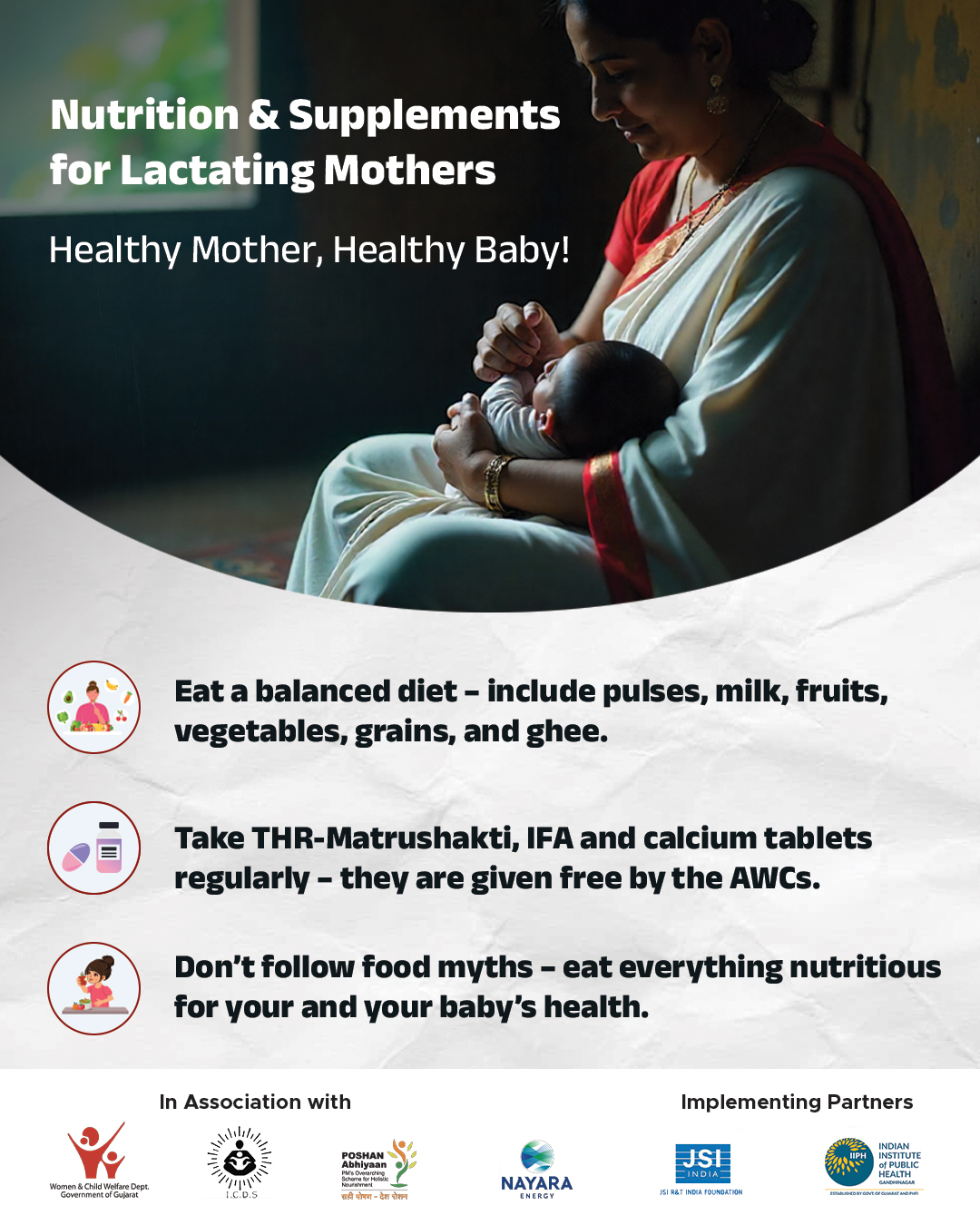
On 13 September 2024, Vijuben delivered a healthy baby boy with a birth weight of 3.5 kg. Post-delivery counselling reinforced exclusive breastfeeding for six months and continuation of maternal supplementation, including THR, IFA, and calcium. During subsequent home visits, both maternal and infant health indicators were monitored and indicated improvement.


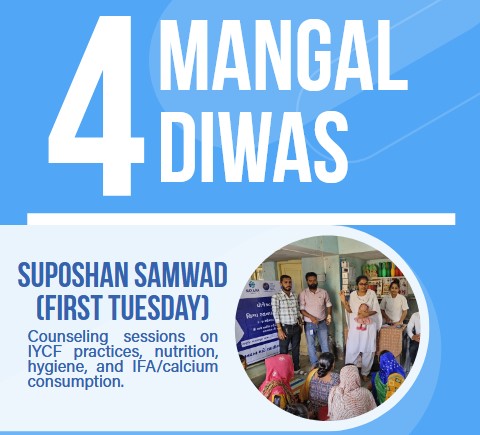
“After the birth of my child, my hemoglobin level was low. Through the guidance given during Mamta Divas and Mangal Divas by the nurse, Anganwadi worker, and Project Tushti staff, I learned about proper nutrition, THR usage, and iron-rich foods. I also developed a nutrition garden at home and regularly took IFA and calcium tablets as advised. This helped improve my hemoglobin level and reduced weakness and fatigue.”

Viju Khoda Gamara, Lactating Mother

Project Documents

Videos

PDFs

Message Us