
Background
In a densely populated area of Naipura, a critical public health gap came to light during a routine immunization session. For nearly two years, no vaccination activities had taken place in the vicinity of Arun Studio. This community, composed of migrant families from different districts—mostly from Scheduled Caste (SC) and Scheduled Tribe (ST) backgrounds—had been residing in the area for over 20 years. Due to their mobile history, lack of local documentation, and limited access to health services, they had remained disconnected from routine immunization efforts.
Most residents work as daily wage laborers, and while approximately 80% of deliveries in the community are institutional, a significant 20% still take place at home. The absence of regular health outreach had led to dangerously low awareness about immunization, putting children at high risk of preventable diseases.
The Challenge
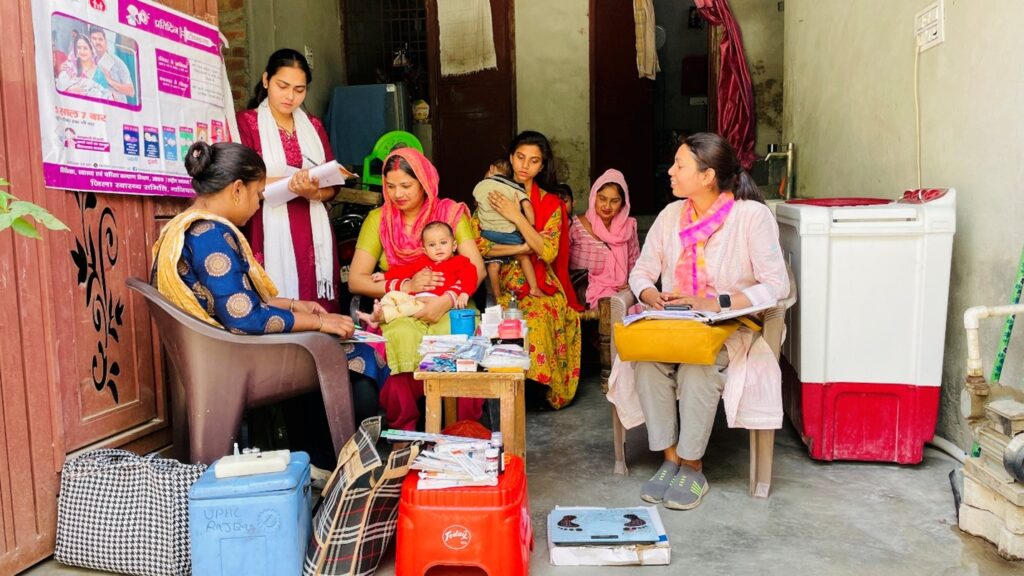
During a scheduled immunization session, in the absence of an ASHA, Cluster Coordinator Aanchal stepped in to support the ANM and a link worker. While mobilizing children and engaging with the community, she discovered that around 150–200 households had been completely missed by immunization drives for the past 1–2 years.
The area had no recent health education campaigns, no linkage with government health systems, and a deep-rooted mistrust due to long-term neglect. With no ASHA present until recently, families had little knowledge of the benefits of vaccines.
Intervention and Action
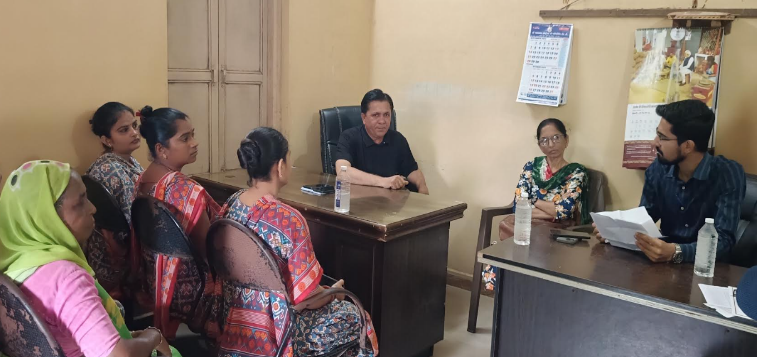
Understanding the gravity of the situation, Cluster Coordinator Aanchal promptly reported her findings to the Medical Officer In-Charge (MOIC). In collaboration with the MOIC, ANM, and newly appointed ASHA Pinki (joined March 2025), a rapid action plan was initiated.
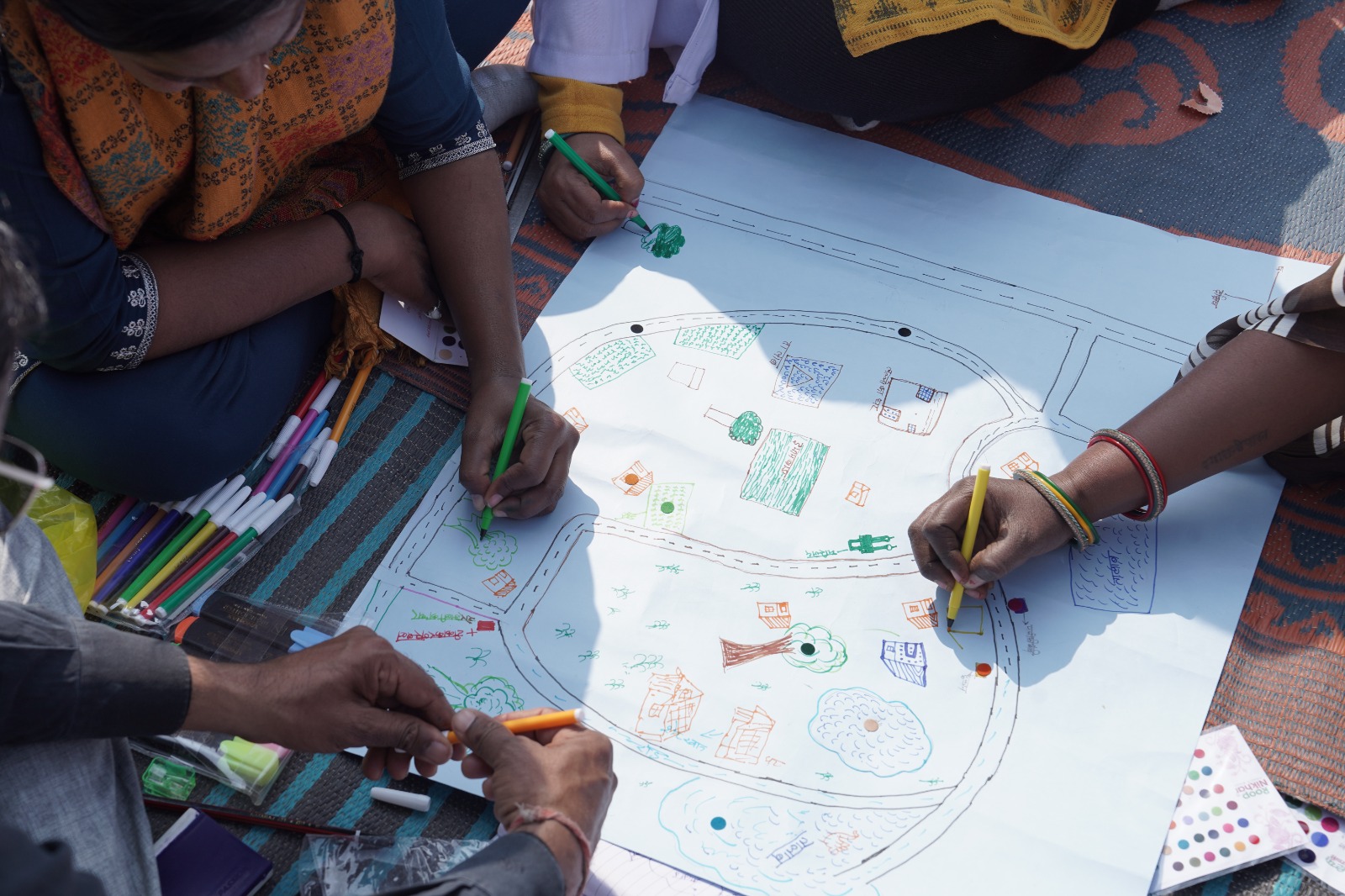
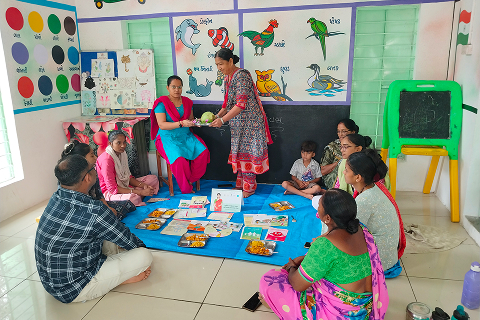
The health team conducted a household survey to assess the number of unvaccinated children. Two special immunization sessions were organized—one at Arun Studio and another at Jaswant’s House—making services accessible right within the community.
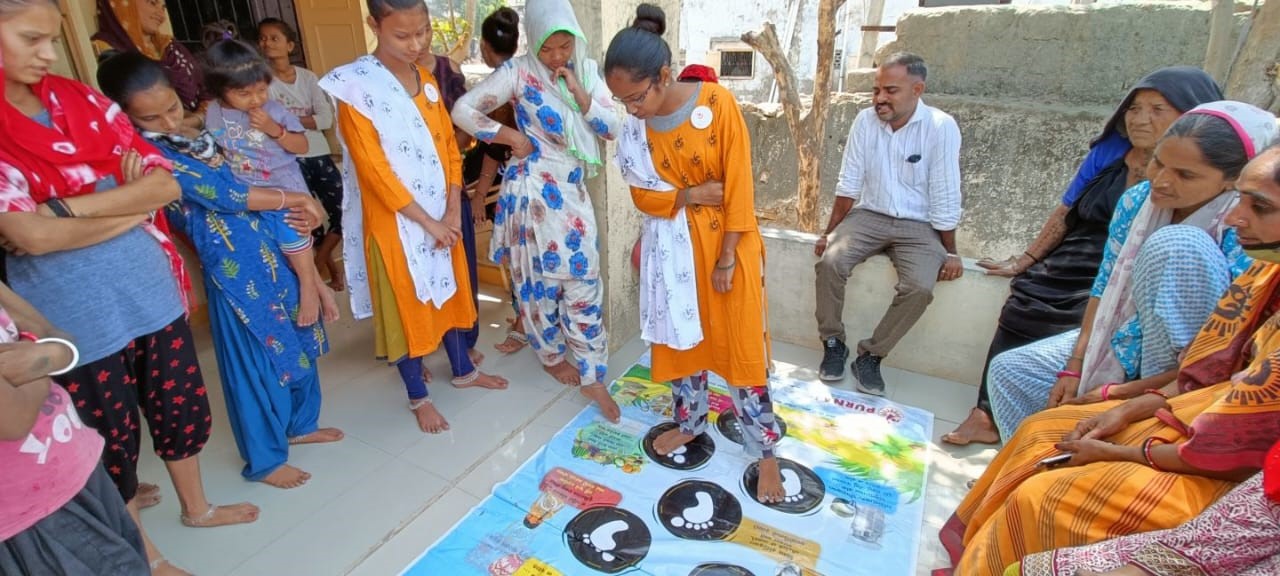
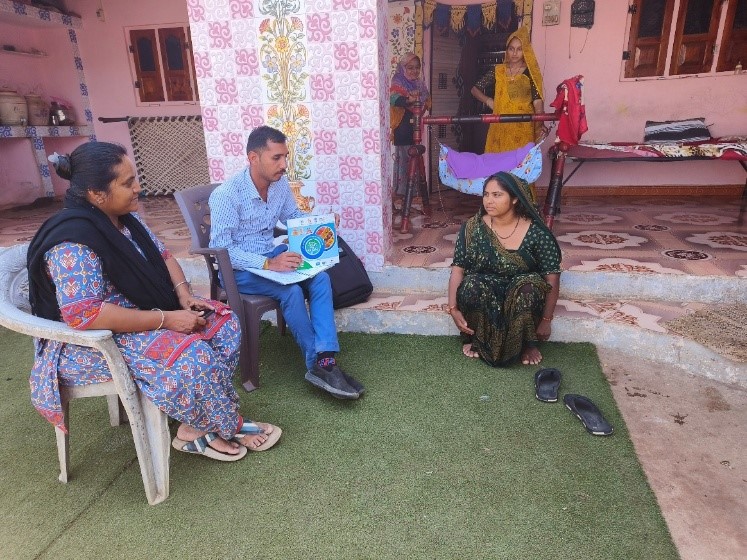
The efforts were complemented by strong mobilization, consistent follow-ups, and awareness-building through door-to-door outreach. ASHA Pinki and the ANM played a vital role in engaging families, addressing misconceptions, and encouraging participation.
Additionally, a regular monthly vaccination schedule was established—now held every third Saturday—to ensure ongoing coverage and sustainability.
Results and Impact
- 45 children were successfully immunized in the newly identified area.
- 15 children were vaccinated under the Vaccine avoidance Behaviors families.
- 10 children received their first-ever (birth Dose) vaccines.
- Regular monthly sessions have now been institutionalized, reaching all eligible children in the area.
- Trust in the public health system has been restored, and awareness of immunization benefits has increased significantly.
Voices from the Community
Jyoti, a local resident, shared:
“No vaccination had taken place in our area for the last two years. Because of this, many children missed their vaccines. But now, with the new efforts, vaccination is conducted on the third Saturday of every month. Our children are finally getting the protection they need.”
Rani, another community member, expressed:
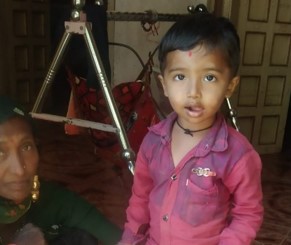
“There had been no vaccination in our locality for two years. Thanks to the CSO team’s support, my child received their first vaccine. I also learned about the importance of immunization for the first time.”